R5 Greta: Over the River and Through the Woods

Monday (Tuesday and Wednesday)

8 AM EST, for the next 23 weeks

From the book: R5) Rome Too Far

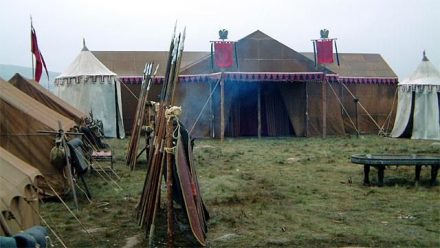
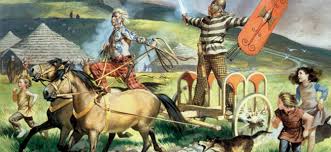
The Story of Greta, wise woman of the Dacians in the days of Roman rule.

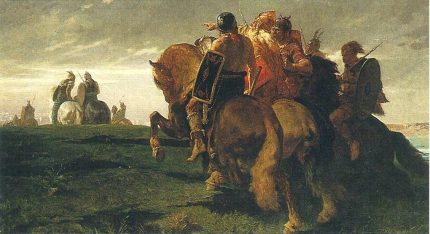
Greta is a middle child stuck at home in Boarshag, with her younger brother, who wants to be called Hans rather than the childish name of Hansel.  Meanwhile, her older brother gets to be with her father and all the men in the capitol of Ravenshold.  The high chief of Dacia has died, and the men need to select a new high chief, with Roman approval, of course.  Sadly, Greta, as a woman, even as the wise woman in training, has no say in that matter.  The men will argue for weeks, as only men can do so well.

Since Greta inherited some of her grandmother’s sixth sense, she got selected at a young age, by old Mother Hulda, to train as the Woman of the Ways for all of Dacia.  There is so much to learn.  Greta, not one of the beautiful people, figures she will have a full life learning and working for her people.  But then her father comes home.  He has been elected to be the new high chief, and suddenly, Greta is betrothed, and to the enemy, a Roman officer.  And sadly, she has no say in that matter, either.

That much alone would make any young woman’s life complicated and difficult.  But the life of the Kairos is never so normal.

Decades ago, in the days of the Emperor Trajan, there were guns–yes, guns and ammunition that the Kairos destroyed but for one caravan that never made it across the Adriatic.  Now, the wind of Dacia smells of rebellion.  Greta’s Roman officer must ride to confront the rebels.  Greta, with terribly mixed feelings, must walk the short-cut to Ravenshold.  She must cross the haunted forest.  Of course the forest is haunted.  And she must find the guns and destroy them before the rebels find them and turn a rebellion into a slaughter.

Worse, the rebellion appears to be led by the Dacian war chief’s mother, a true wicked witch whose power dwarfs Greta and her small magic.  And thousands of Germanic Quadi sit on the border, just waiting for an excuse to overrun the province.

There are fairy tales within this fairy tale of an adventure.  Enjoy.  Welcome to the forest, and Happy Reading.


*

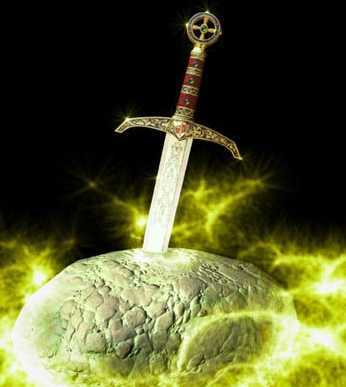
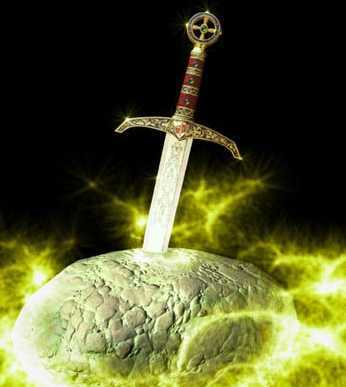
R5 Festuscato: The Sword in the Stone, part 2 of 2

Someone shouted for Constantine, and many picked up on the thought.  Festuscato said, “Constantine,” but Dumfries spoke into his mind for a third time and said he was all set.  Constantine stepped up and looked around at all the anxious faces.

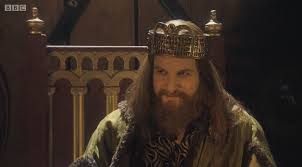
“I hope this works,” he confessed quietly to Festuscato, and put his hand to the sword. It came out easily.  People hushed.  Then the Germans said he should put it back.  Festuscato stalled.  He called over the Archbishop, Meryddin, and a Saxon Holy Man.  He talked about priests, temples, churches and sacred ground, and Constantine pledged to punish any man who harmed a priest or holy man going about their sacred duties and any man who desecrated the sacred places. Archbishop Guithelm said he accepted Constantine as high chief and war chief of Britannia, and he stepped forward to anoint the man.  Meryddin, aware of the political implications, also laid hands on Constantine. The German looked at his people and said nothing.  Then Dumfries gave the go ahead, and Festuscato urged Contantine to put the sword back, carefully.  Constantine clearly felt it when the stone sucked the sword out of his hand.

“And there it will stay until the next time it is needed,” Festuscato said quickly.

“Wait.” Gregor stepped up and put his hands to the hilt.  He pulled and let out a roar.  He pulled hard enough to move the boulder a smidgen, but the sword held fast.  “Just testing,” he said with a big grin.

“Who will pledge to Constantine?”  The Celts were all in.  Hellgard was right there with them, and Hrugen the Dane and a man named Cadal, a Pict, joined the Celts as well, though Cadal and Hrugen were more symbolic being able to speak only for themselves.  The Germans and Gorund the Jute were not interested.  Festuscato stopped them before they walked out.

“You understand what having a war chief mean?”  Several men nodded.  “Then listen close.  This is my island.  The Hun overstepped his place and got thrown off my island to never come back.  But I want peace, so here is the word.  Londinium will remain in British hands, but outside the walls will be neutral ground where men of good faith can trade and live in harmony.  Britain also claims five miles on either side of the Thames from Oxford to the sea.  Be careful not to settle along the river. Other than that, you can negotiate a fair boundary for your land.  Once that is settled, stay behind your boundary and live in peace.  Do you understand this?”  The men said they did.  “Do you accept this?”  All but Gorund agreed.  “The Hun will not be forgotten.”  He stared at Gorund.  “Do you accept this?”

“Yes,” the man said angrily as he walked out, and the Germans followed him.

“I see trouble in time,” Constantine said, as he stood beside Festuscato’s elbow.

“Don’t worry about the future,” Festuscato smiled.  “Today’s troubles are enough.”  He raised his voice.  “Where are the boys?”

The men got their boys and gathered around, and Festuscato explained what a squire was. To learn about the world, to hunt and fish and camp, and cook something on a campfire worth eating.  To learn about weapons, and about the care and feeding of horses, “Because the lords of Britannia should be mounted for battle.” To learn how to read and write in Latin. “Because the next generation of young lords ought to be able to communicate with each other no matter where they are from.”  He explained many things, and was surprised to find both Meryddin and the Archbishop thought it a wonderful idea.  Then Festuscato gave sons into the keeping of their neighbors and other Lords. Meryddin tried hard to suggest certain Christian boys be given into the charge of men who were strong believers in the old ways, but Festuscato would not have it.  He had his list written on paper.  When he had done, he reminded the men to visit home at least twice a year so the boys could visit their mom.  He did not worry about the Latin because there were still enough people of Roman decent around who conversed in the tongue.

When all got done, Festuscato hardly ate a thing.  It had been a long day, and he felt exhausted.  He hardly talked, even to Constantine, though he encouraged Constans who had Anwyn’s son from Caerdyf as squire.  The boy was fifteen, and Festuscato told Constans how terrible he was at that age.  He walked off, and Mirowen who just found him said, “Fifteen is a wonderful age.  Why don’t you take him to visit King Ban of Benwick?  He can learn how to respond properly to other lords and ladies.”  Of course, she knew Constans would really want an excuse to visit Ivy, but having spent time with the girl, she knew the girl felt the same way.

Father Gaius came up to Festuscato when things started winding down for the night.  He came with Bishop Lavius, newly ordained Bishop of Caerleon in Wales.  He also had a man in his thirties beside him who appeared to be a priest, but dressed more like a monk, like a priest ready to travel.  Gaius introduced him.

“This is Patrick. We were wondering if you might be tempted to go anywhere near Ireland.”

************************

R5 Festuscato: The Sword in the Stone, part 1 of 2

It got closer to July fifteenth before everyone gathered.  The monks hoped to keep everyone housed and fed, but after the generous donation Lord Agitus gave for the building of Saint Paul’s Church, the Archbishop said it was the least they could do.

Festuscato spent that last month going over his list and checking it twice.  Pinewood gave him the list of young men and Lords that were expected.  After the success against the Huns and at York, quite a few were expected. Festuscato felt a little concerned about the Saxons, Angles and Hellgard’s older brother, the self-proclaimed King of the Jutes, but he tried to think positive.

All the men gathered around the courtyard that would be laid between the Church and the Monastery.  Right at the moment, it was just a big open space with a big stone in the middle.  A loadstone Bogus found and Dumfries provided proved a strong enough magnet to hold the sword.  The slot had been prepared, and Caliburn properly fixed so it would stick fast.

“But what if they want Contantine or his son to pull the sword?”  Festuscato got concerned.

Bogus the dwarf and Dumfries the Dark elf went off for a while to work on that problem. What they came up with was a spell to temporarily remove the spell that allowed Caliburn to be caught by the magnet. “But I don’t know if it will work more than once,” Bogus admitted.  It was not the way Festuscato remembered it in Gerraint’s time, but he dared not interfere with history.  It would have to do.

The first order of business became the sword.  Festuscato stood at the center of a circle of men and raised his hands.  Caliburn appeared in his hands, even as he glanced to the side and saw Meryddin eyeing him closely.  Gorund the Jute, Hellgard’s brother, scoffed and said he had a magician who could do better tricks than that.

“This is the sword of Britannia,” Festuscato ignored the Jute and went on with the program. “The one who wields this sword in the rightful high chief and dux bellorum of all Britannia.”  He spun and slipped the sword into the cut so it looked like he actually shoved the sword into the solid rock.  He felt it grab when it got about half-way in, and he got the message from Dunfries that it was all set.  No one would to pull it out if he had to reach up and hold on to it himself.

“Gentlemen. By all means, be my guest.”  He invited men to try it.

Cador and Ban could not pull it out, but someone said that was a set-up. and they were just pretending.  Gildas said, “I won’t pretend.”  He spit on his hands and hurt himself trying to tug on it.  Eudof, the Welshman also tried, and then Meryddin stepped up, and people paid attention.

“Trickery,” Meryddin announced.  He sprinkled some kind of dust on the stone and chanted.  Festuscato worried for a second, but he heard from Dumfries again, speaking right into his head, that he tried the wrong sort of spell and would not overcome the magnet.  Meryddin tugged, but the sword stayed stuck fast.

One of the Saxons stepped up.  “Can’t expect a Celt to do a man’s work.”  He laughed, but he couldn’t budge the sword.

“Weakling.” Gorund the Jute stepped up and got mad when he could not pull out the sword.  He pulled his own sword to hack at the sword in the stone, but a blue light hit him in the chest, knocked him back ten feet, and knocked him senseless.

R5 Festuscato: The British North, part 3 of 3

The following morning at dawn, four thousand foot soldiers came up on the eastern wall of the city.  Macreedy cheated.  He brought his elves in close, covered with glamours to look like men, and he kept a withering fire of arrows up on the city wall.  The Picts dared not stick their heads up, which would have left them staring into the sun in any case.  Festuscato noticed when Constantine’s men made it over the wall with so much ease, and he yelled and made Macreedy’s elves back off.  But by then, the east gate swung wide open, and the defenders of the city started fleeing to the fort, hoping only to get out of the city alive.

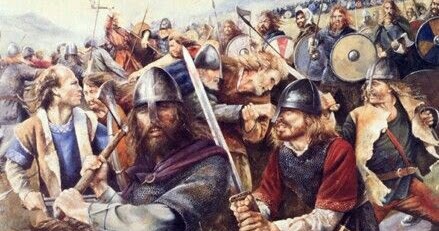
Hellgard and his Jutes were ferocious and cut off a large number of Picts.  They slaughtered the Picts, and as reported, it ended when an old British woman came running from her burned home and threw her arms around the Jute in gratitude.  Festuscato only felt sorry that photo journalism had not yet been invented.

Emet of York and his men tried to take the gate to the fort where the Picts were streaming in, fleeing the city.  He lost his life, his men got beaten back, and Festuscato yelled at the whole council as soon as he had them together.

“I understand Emet’s concern for his wife and children, but you agree to a plan and you stick to the plan.  Emet was a moron, and if the Picts had not killed him, I would consider doing it myself.” Everyone got stunned and silent. “No, that is not true.  There must always be room for initiative, but common sense and reason have to be considered as well.  Sometimes, if some of you show some initiative, it might not work out.  Sometimes it will.  In this case, Emet should have pulled back when the enemy turned on him in the gate, but he let his heart overrule his mind, and he paid the full price.” He fell silent, having put a pall on the celebration.

The men took a time to congratulate one another.  For all Festuscato told Hellgard about peace, he knew the quickest and best way to build camaraderie among the peers, and among the men for that matter, was to fight side by side.  If Rome had learned one thing while depending on so many different Germanic tribes to defend the border, it was that.  When things quieted a bit, Festuscato knew one more thing was important to say.

“Constantine, you did an excellent job.  Every man here had an opinion and got a fair chance to express it.  You followed the best ideas, found the weak point in the wall, and put the sun in their eyes.  You used your knowledge of the city to cover the various sections of the city and root out the enemy, and overall at the least cost to your men. Very good.  Now Wainus can have another chance to surrender, and while he thinks it over, you have two things to decide.  First, you can plan for what to do if he does not surrender.  The fort will be a tough nut to crack.  Second, you can plan for what to do if and when he does surrender.  Keep in mind there must be consequences, not only for the Picts to remember, but for your own men to get some satisfaction for their losses.  Not too little, but not too much.  You need to decide just what consequences will cause peace to happen, hopefully for a long time to come.  Good luck.”  Festuscato walked out and left it in the hands of twelve men.

Noon the following day, the body of Wainus got thrown from the top of the fort wall above the front gate.  The Picts laid down their weapons and came out.  Constantine took one in ten, and made an effort to get one in ten of the chiefs. Three hundred and seventy-six men lost their heads.  The rest got escorted back to Hadrian’s wall.

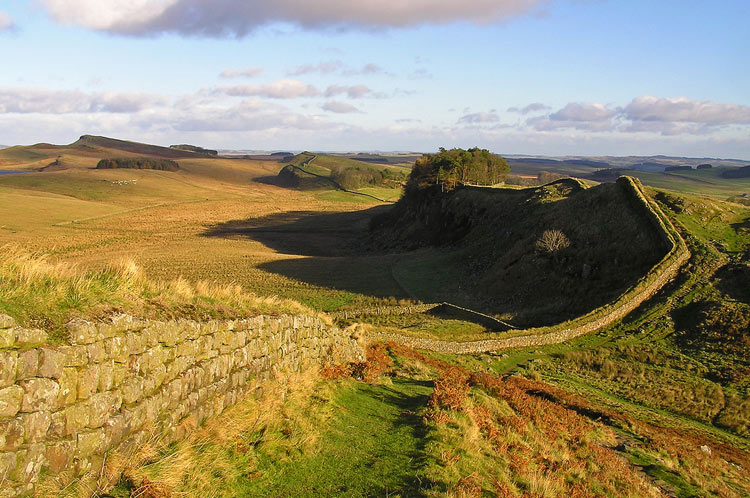
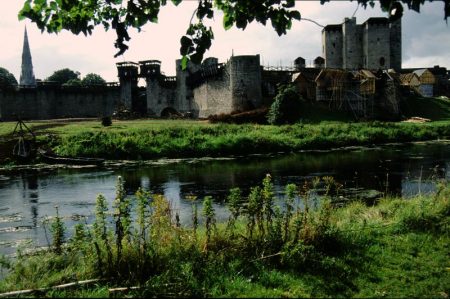
Constantine went first to Edinburgh, above the wall.  It had been the cornerstone fort designed by the Romans at the end of the Antonine wall.  It got staffed in Roman times by auxiliary troops, which meant British troops with a British Lord, and even when the Romans left Britannia, it never got deserted. The British auxiliaries were supposed to keep an eye on the Scottish settlements in the lowlands, build a buffer state against the Caledonians, and give warning of any Pictish incursions. They had mixed success.  For one, the fort was only accessible at present over Scottish lands, and in troubled times, it could only be reached by sea. Manned by a thousand soldiers, it was supposed to control the Eastern Lowlands down to the River Tweed, but since the start of the Fifth Century, it did well to control a twenty-five-mile safe zone around the fort.  In some ways, it became an example of Roman overreach.  It sat too far north, and since the Antonine wall got abandoned two and a half centuries earlier, many wondered why the Scots had not already taken it.

Lord Luthanel ran a tight ship, as Hrugen the Dane said, but Luthanel did not have the manpower to do much.  Constantine assigned four hundred Amoricans, effectively doubling Luthanel’s forces. They were to restore control to the southern boundary at the Tweed and force out any enterprising Scots who refused to acknowledge the Lordship of Edinburgh or refused to pay the taxes. Luthanel pledged to be vigilant, to watch the Picts, control the flow of incoming Ulsterites, and keep an eye on the Danes who were pushing up toward the River Tyne.  It felt like a lot to expect, but time would tell.

Hadrian’s Wall had some thirty forts and mini-forts along those eighty miles of stone. Most of the forts had been abandoned over the last forty years, but the few on the main north-south roads were still in operation.  All of the north-south trade and immigration happened there, and the men who manned the forts were able to collect tariffs, fees, and taxes from the people passing through.  It became a lucrative business.  Constantine put an end to that business, twice by spilling blood, and he found volunteers among is own Amorican soldiers to man the forts properly and use the funds to upkeep the wall.

“You have given away half of your own troops,” Festuscato pointed out, but Constantine merely rubbed his chin.

“With their families, they will form the foundation for a strong defense of the north. And a thousand men at Cadbury is more than I need to pay for,” he said.

When they arrived at the western end of the Wall and the great fort Guinnon, they found it occupied by Scots.  Nothing indicated of what happened to the former occupants.  In this case, the Scots were no fools.  Seeing an army of some four thousand men approaching encouraged them to abandon the fort and run back north of the wall.  Then, even as the local British subjects cheered and celebrated, Constantine felt like he got in a bit of a fix.  He did not have the men left to man the fort with his own troops.

“Counsel,” Festuscato said.  “Counsel.”

In counsel, Aidan from the British Highlands volunteered to bring ten thousand men women and children out of the highlands and to this dragon free land.  He promised to man the fort and oversee the manning of the wall, and Constantine did not hesitate to invest him right there as Lord of Fort Guinnon and Defender of Britain.

“Counsel,” Constantine said later.  “No. I’ll never get the job right.”

“You will,” Festuscato encouraged him once more.

After the delivery of the Picts north of the wall and the grand tour of north Britain was complete, they came back to York to find the men left behind had made a good start on restoring and rebuilding both the fort and the city.  Everyone pitched in for a month, and Constantine invested Hellgard the Jute to take the Lordship of York.  He spoke to the Danes and offered a generous settlement, but one with a definite boundary, and he charged Hellgard to keep a good watch.  Then the main part of the army retraced its steps to Oxford, where Constans got charged with building a strong fort to guard the ford and the road to Londinium.

Constantine got tired of moving by then, so the army went home.  Men were satisfied with what they accomplished and felt good about working together for once rather than fighting each other.  But Festuscato strictly charged every lord and chief to come to Londinium on July fourth.  He said they had to bring their sons, thirteen or near thirteen and older, and in some cases their grandsons. He would not explain why, but he said it would be a good thing, and he found a tavern by the docks and enjoyed himself, and looked forward to a warm fall and winter.  That was where Mirowen found him, in bed with a sweet young girl.

************************

Monday: The Sword in the Stone.  I am sure you guessed.  It was inevitable, but there remain a few twists in the road, so don’t miss is.

Happy Reading

*

R5 Festuscato: The British North, part 2 of 3

That evening, Festuscato had three visitors to his tent, and all he wanted was a sip of ale and a good night’s sleep.  The first, a Dane brought in by Gregor the Saxon.  “I was taking a shit away from the camp and I saw this skinny fellow sneaking around in the woods.  I thought there might be a reward, though I don’t suppose he is worth much.”  He laughed a loud, hearty laugh.

“Do you speak any language I know?” Festuscato asked.

“I speak the British.  I was on one of the first boats that came to settle on the shore.”

“Are you a sailor then?”

The skinny man looked at Gregor, who appeared a big man in every way.  “I am an excellent sailor.  You might say my ship never would have crossed the North Sea safely without my help.”

Festuscato sat back in his chair while Gregor took an empty tankard and filled it without asking.  “What can I do for you?”  Festuscato was curious.

“You are the Roman.  I have heard you do not plan to stay on this island.  I was thinking if you take a ship anywhere near the Norwegian shore and my homeland, I could help you sail it.”

“Homesick?” Festuscto asked.

The man dropped his head.  “My name is Hrugen, son of Unferth, grandson of Edglaf, and I came here more than ten years ago when my uncles were foully murdered.  I feared for my life, but now I fear more that my father is old and I am not there for him as a good son should be.”

“I see.”

“He has my vote,” Gregor said.  “I say we take this sailor home.”

“We?” Festuscato got ready to ask what Gregor meant by that, but Death stuck his head in the door and indicated he had another visitor.  Festuscato excused himself and stepped out.  He found Cadwalder, the druid.

“My master wishes to speak with you, but he does not wish to disturb you if you are in a time of Christian meditation, er, prayer.”

Julius stepped up with curiosity on his face.  “You better go in,” Festuscato waved at his tent.  “Keep an eye on Gregor and meet Hrugen the Dane, son of, grandson of, and so on.”

“A Dane?” Julius went in.  Festuscato waved for the druid to lead on.  Death started to follow, but Festuscato assured him he would be fine in the camp.  Besides, Death and Pestilence would probably be needed to fetch more ale and cups.

The man Festuscato found looked near forty, with the gray just beginning to color his beard and hair.  He was a druid, a master druid.  Festuscato knew him right away, of course.  “Merlin,” he said.  “Meryddin. Good to meet you again for the first time, but I wonder why looking at you always reminds me of Loki.”

Meryddin appeared confused.  “You are a seer?  You are a prophet?”

“Neither one. I spoke to the Raven.  I am just an observer, you know.”

Meryddin accepted the explanation, though it really did not make sense.  “You are not in the midst of any Christian activities?” Meryddin was being polite.

“Moi?  I was drinking.  What is it you wanted?”

“I have heard from several that you have certain friends…”

“No.  You can’t have one.  You can’t even see one.  They are shy you know.  And I am friends with lots of people, all different kinds of people too.  I just made friends with a Dane, I think.  I’m not sure.  I have to get back to my drinking.  Anything else?”

“About these priests…”

“All priests are to be respected, as far as it goes.  Killing a priest, christian, druid or pagan is a crucifixion offense.  No burning churches or temples or deliberately desecrating sacred spaces.  That is a quick way to get yourself killed.  And no, you can’t go around the island designating every square inch a sacred druid space, so forget it.  Now, I am going back to my ale.  Wake me up if you have a serious question.”  He walked off quickly.

The third visitor stood outside his tent, not quite ready to join the party going on inside. Hellgard the Jute, had questions. Festuscato did his best to be up front with the man.

“General Aetius in Gaul has some seventy thousand Romans and more than two hundred thousand Fedoratti of one kind or another.  He even has some Huns working for him, and maybe some Jutes.  Anyway, I might be able to borrow some of his men and could probably kill every Pict on the island, man woman and child.  The thing is, I will never do that.  I believe that men of good will, Celts of different sorts, Jutes, Germans of all kinds, Picts, and even Danes can choose to live in peace with one another, support one another, and prosper. Everyone wins.  Maybe I’m a fool, but I say it is worth a try.”

“It is an interesting idea.  My people came to this island as Fedoratti to you Romans two generations ago.  We left the continent because it became impossible to live.  Everyone hated everyone, and war never ceased.  Since you Romans left, I have seen this island break down into the same troubles.  There is too much anger, hatred, pride, revenge.”

“You have to start somewhere.  I’ve spoken to Constantine.  We survey the land and establish borders.  Let the disputes be settled by vote of the Peers rather than fighting. That way if one man is unhappy with the vote and chooses to fight, he will know the whole rest of the island will get together and crush him.  That should stop most of the fighting, anyway.  Once people agree to stay to their own land, then trade can happen. Taxes can be low because fighting costs money as well as men.  Free trade, low taxes, suddenly everyone prospers.  Peace is a good thing.  Our women can grow fat and our children can grow strong.”  Hellgard nodded.  He liked the idea.  “Now, lets join the party.  Come meet Hrugen the Dane.  Gregor says he is a skinny little thing, and maybe not terribly bright, but we have to start somewhere.”  Hellgard nodded again as they went in.

Noon the next day saw no answer from Wanius so Constantine called his counsel together. Many ideas were discussed, and Festuscato only said, “You probably like your idea, and will argue strongly for your point of view, but don’t be wedded to it.  The counsel may decide otherwise, and I will expect you to give your full support to whatever the counsel decides and the high chief approves in the end. Whole-hearted support, too.  No dragging your feet.  Maybe next time your idea will be the one that carries the day. Besides, I once knew a man who could only think, “Kill the bastards.”  When he finally got the chance, he did not find it as easy or as much fun as he thought.  So, argue your point, but don’t marry it.”

R5 Festuscato: The British North, part 1 of 3

Guithelm, Archbishop of Londugnum made a special trip to the docks to catch Festuscato before he slipped away again.  Father Gaius and Father Lavius came with him, along with several other clerics and a number of monks from the monastery near Bishopsgate.  Festuscato took Guithelm aside and explained what he was trying to do. Gaius, who butted in, became astounded, because Festuscato never explained.  But Gaius had figured out most of it, and the rest sort of made sense in a convoluted Festuscato sort of way.  After that, Festuscato introduced the Archbishop to the gathered Lords from Cornwall, Britain, Wales and Amorica—those that were planning on resettling on British soil—and left the Bishop in Constantine’s good hands while he went back to his observer status.

He still played observer when they left Londugnum two days later and headed north toward York. When they stopped for the night, he stepped into Constantine’s tent with a thought.  “You have three thousand men from Cornwall and Wales that missed all the action against the Huns,” he remarked.  “And with your son and his men, a number of Jutes and some Saxons, that makes over four thousand men, more than equal to the reported army of Wanius, even if your troops have no horsemen with them.  They are two or three days ahead of us.  So, what were your orders when they get to York?”

Constantine paused before he frowned.  “I am getting discouraged.”  He called several men of the three hundred and wrote several letters to his son and the other leaders of the advance troop, outlining his expectations concerning positions around York and eyes on the Norwegian shore.  “I was just thinking to get them there.  I don’t think I will ever get the hang of this.”

“You will,” Festuscato encouraged the man, but he stopped the letter carriers.  “But a suggestion.  You have good men in Julius, Cador, Ban, Hywel and Hellgard the Jute. That covers the basics.  Maybe Weldig of Lyoness, Gregor the Saxon, Hywel’s Welsh friend Anwyn, and Emet who is from York who knows that land might be added.  I thought you might call them in and get all of their thoughts first before making a decision, even if you end up where you began.”

Constantine frowned again.  “No, I will never get this.”

“You will,” Festuscato encouraged again.  Then he felt glad he only had to call for a vote one time.  Emet, with Hywel’s backing wanted to tell the advance group to at least test Wainus’ defenses.  Cador and Julius argued for them to take up strong positions and let Wainus worry about the testing.  Festuscato turned to Constantine, who he instructed in how to approach things if they had a disagreement.

“Set up and wait for us, and cut York off from the countryside is what I was thinking,” Constantine said.  “But I want to be fair about this.  Raise a hand if you support Cador and Julius in their plan.”  Everyone raised their hands except Emet and Hywel.  Even Anwyn’s sheepish hand went up as he shrugged for his friend Hywel.  “I would say that is a clear majority.  Listen Emet. I know you are deeply concerned for your family in York.  We are all concerned with you.  But I think an attack at this point might cause Wainus to do something stupid.  I want to make the best try to get your family back, alive.  Are we agreed?”  Every man there said yes and offered hands of support for Emet, and the meeting broke up. Constantine ended up sending the letters he had written before he readied himself for the critique. Festuscato came straight to the point.

“I would say, normally, it is best not to give your opinion before a vote.  Some may be swayed to vote in your direction even if they don’t agree.  There are ways to guide things by your questions without giving away the answers. Above all, you must appear to value everyone’s contribution equally, and in this case, you did that well.”

“Nope.  I will never get the hang of this.”

“Yes you will.”

When they arrived at York, Constans had a hard time holding back the men.  The town looked burned, and parts of the fort as well, and the three thousand men who missed the action before were anxious for a fight.  Constantine doubled the number of men around York with a thousand British and a thousand Amorican foot soldiers, and more than two thousand horsemen which included some Jutes and Saxons.  Some of the Lords figured Wainus had to be shaking scared.  Some went to check where an assault on the town might be most effective.

It became quite a band of men who rode out to meet with Wainus and the Pictish Chiefs. Festuscato, Julius and Constantine brought Constans, for his education.  Ban, Cador and Hywel represented their people groups, and Emet came for York.  Hellgard the Jute and Gregor the Saxon had groups of their own to represent, and then the Four Horsemen were not going to be left behind.  Festuscato thought fourteen might not be the best number, but better than thirteen.  Wainus brought seven Chiefs down from the fort and seven more men in an honor guard. With Wainus, that made fifteen, and Festuscato thought of it as deliberate, just to be obnoxious.

Constantine did not spend much time on pleasantries.  “You have until noon tomorrow,” he said.  “To lay down your arms and surrender, unconditionally.”  He said nothing about what would happen if they did or did not surrender.  He waited for the question.

“We hold the high ground,” Wanius said.  His British was not very good, but understandable.   “Maybe you do have twice our number.  You will break on our rock and wash away.”

“What do you hope to gain by your death?” Constantine sounded so reasonable.

“I will gain by my life.  We will take the Northland that you British have abandoned.  We will own the people, the land, and the cattle on all the hills.”

“Reason and common sense don’t appear to be working,” Constantine shook his head and turned to the assembly.  “Any suggestions other than threats.”

“Allow me,” Festuscato stepped up.  “Wainus, let me explain things to you.  You see these men?  They represent the Welsh, British, Cornish, Jute, Saxon, and Romans too.  They are, everyone of them, a Lord with thousands of followers.  Outside of the Scots and Picts, my whole island is here against you.  Did I tell you this is my island?  It is by Imperial Decree, and we have just taken those upstart Huns and we threw them off my island.  Now, do you see this man?  I have appointed him high chief of my island and war chief.  Do you know what a war chief is?  He calls, and the whole island comes to him to join together, to fight together, to squish any upstart bugs that want to get ahead of themselves.  Are you with me so far?  My island.  And the whole island is united against you under the war chief.  Do you know what I mean, united?  Good…

“Now, you have three choices.  You can pledge your allegiance to the high chief and war chief of Britannia and make amends for the damage and destruction you have caused.  Or, you can refuse to join these other fine men, but you must pledge to go home and live in peace, again, after making amends.  Or, you can die.  It seems to me you have no other choices.  But if you fight, understand that even if you later try to surrender, there will be a price to pay.  Now, I suggest you go back up to the fort and think about it.”

“It is too late for peace,” one of the chiefs said, and shook his head sadly, but he turned and the others turned with him, one by one.  Wanius did not get a chance to say anything else, because his back-up deserted him.

“What did he mean, it’s too late for peace?” Emet felt concerned and the others all felt for him.

R5 Festuscato: The Hun in the House, part 3 of 3

“Moran,” Festuscato spoke to the elf and the elf stood.  “Where is Macreedy?”  He and his Four Horsemen stepped aside to talk behind one of the makeshift barriers in the road.

“He has a thousand elves from the Long Meadow surrounding York.  Bogus the Dwarf has as many covering the roads.  King Wormwood has as many again from Dark-elf-home to cover the night.  And King Larch of the Fee has the Danish shore under observation.

“Trouble?” Constantine stepped up, followed by Hellgard and Ban.  Festuscato took a breath before he nodded and spoke.

“York has fallen to Wanius the Pict.  He has pulled up his four thousand men behind the walls of the town and the fort.  Much of the town and fort have been burned, but it is going to be hard to dig him out of there.  Emet’s family?”  Festuscato asked.  He had a good memory for names.  Moran shook his head.

“But what was this I heard about thousands surrounding the city?” Hellgard had good ears.

“They will hold Wanius in York and keep him from doing further damage to the countryside, this one time.  But when you all arrive, they will disappear.  You will have to face Wanius yourselves.”  Festuscato quieted them.  The Huns reached the ford.  The British across the way had backed up to hide in the trees.  The Jutes, British, Amoricans and Londoners on this side were hidden and quiet.  Then the Saxons all stood up as one and began shouting insults and screaming and waving their swords and spears as if daring the Huns to cross the water.  The Hun commander wisely got his men down and promptly surrendered as Julius rode up.  The Saxons looked disappointed.  Gregor stepped up and shared a thought.

“A quick surrender is better than spilling more blood, but many of my men don’t think so.”

“Wisdom from a one-eyed Saxon.  Who would have thought to hear it?” Hellgard said.

“Odin has but one eye.  That is good enough for me,” Gregor laughed.

“What is the Danish shore?”  Constantine heard something else.

“The Norwegian shore.  The settlement of yet another new people blown in by the winds of the North Sea. Let us be honest.  Britain north of York had been thinly populated since Roman times.  Too much struggle between Romans and Picts, and now the Scots have not helped. Instead, they have complicated things. They have overrun Guinnon, the fort on the western end of Hadrian’s wall, and they did nothing to stop Wanius from passing over.  You have a good family in Edinburgh on the eastern end, but they cannot hold things alone, and they have been unable to stop the Danes from grabbing chunks of the coast.  You need to drive the Ulsterites out and put someone you can trust in Guinnon to hold the wall.  And I think you need someone in York who can keep out the Picts, Danes and Saxons, no offense Gregor.”

“None taken,” Gregor said.  “I want to keep out the Saxons myself, and I am one of them.”  Even Moran the elf smiled at that one, though for what reason, no one knew.

“We know the Danes well, and find them no friends.  But they can be reasoned with.” Hellgard spoke up.  Festuscato heard, but did not go there.  Julius rode up and Cador and Gildas were with him.

“Gildas. Did you get the chance to kill the bastards?”  Festuscato asked, and immediately regretted it as Gildas quietly nodded.  “Everyone suffers first time,” he added more softly. “It proves you are human.”

“It wasn’t pretty,” Cador said.

Festuscato nodded. “We need horses,” he said.  “We will take some of the Hun’s horses and try to hold on, I guess.”

“Some escaped?” Jullius asked.

“About five hundred according to one eye here.”

“Just a guess,” Gregor said with a grin.

“Moran. Please ask Deerrunner if he will accompany Aidan and his Britons in escorting the prisoners to Londinium.” He paused to think.  “We are about sixty miles out which is a good two-day march, or so.”

“Constans,” Constantine called his son.  “Take your men and clean up these grounds.  Give the monks something to do, to perform the burial rites.”

“Julius. You better assign half of your men to help escort the prisoners.  Hopefully, that will be enough to discourage the Huns from attempting anything foolish.”  Festuscato said.

“Dibs and Tiberius can cover that duty.  We will take the better horsemen, about nine hundred.”

“Good.  With us that will make twice the reported Huns.”

“Double that,” Hellgard said, and he sent some men to gather up the horses of the Huns. “And some of my men will take care of their own.”  He sent others to tend the wounded and gather the dead.  Festuscato looked at Gregor.

“My men will gather their own and take them back across the river, but I wouldn’t miss it.” He whistled and took two men aside to instruct.

“I think you and Lord Constantine and King Ban and his men can take some of the horses from Dibs and Tiberius.  That should not change things much and you will have regular saddles to ride.” Festuscato nodded, but it became after lunch before they were ready to ride out.

They covered a good distance before they stopped for the night, but they saw no sign that the Huns slowed their pace.  Festuscato felt a bit afraid that Megla, on finding the gates of Londinium closed to him, might just ride straight on to the next port downriver.  He was sure the Hun had every intention of commandeering whatever ships might be in the dock and escape, and if he escaped unscathed, he might return with ten times the number of men.

The following afternoon, they found the wardens at one of the city gates had opened the gate for the Hun.  Fortunately, Megla did not get far.  The Amoricans that Constans left in the city and the Londoners who knew better had Megla and his men trapped in some buildings down by the river.

“Megla.” Festuscato called out.  He and Constantine stood just beyond bowshot, the Four Horsemen looking over their shoulders.  “Megla.  Come out and talk.  I have a message for Attila.”  That got him.

“What do you know about Attila.”

“He is getting too much gray in his hair and beard, and making alliances with the Vandals isn’t going to save him.  Come out and talk.”

“You are the dragon?”

“All of Britannia is becoming the dragon.  Come out and talk if you are not afraid.”

“That should rattle him,” Constantine said.

Six men came out of the main building.  They got about half way across the plaza before they pulled out bows and arrows. The bow remaied the basic Hun weapon that they could pull swiftly, even on horseback.  But the Four Horsemen reacted and responded with bows of their own and with enough speed so only one Hun got off an arrow, and it happened only because the Horsemen were busy killing the others.  It was a good shot to Festuscato’s chest, and it would have certainly penetrated any normal armor, but the armor of the Kairos was made by Hephaestos and the dark elves deep under Mount Etna.  The arrow bounced off.

“Megla.  You know it takes more than one stupid arrow to penetrate a dragon’s hide.  Come out and talk, and I will let you live.”

“What good is the promise of a great worm?”

“What choice have you got?  We already stopped your men who were sneaking out to grab a boat.  You are trapped inside, with your horses outside, and soon it will be dark.  The goblins and trolls come out after dark and they tell me Hun is a tasty snack.”

A man appeared at the doorway.  He made a show of putting down his bow and sword as he stepped out on to the plaza. Five more followed him and put down their weapons, while their eyes scanned the surrounding buildings and the roofs around them,

“I am Megla,” an older man said and eyed Festuscato.

Festuscato smiled. “Megla of the Huns, allow me to present Constantine, High Chief and War Chief of Britannia.”

“Attila told me about you, Roman.”

“Then you should know I am willing to be fair.  Tell your men to throw down their weapons and come out.  You will be kept here, in the open until the rest of your surviving men arrive.  Then you will be bound and sent out on the morning tide and returned to Belgium. Your horses and weapons will stay here, but you will have your lives.”

“If we refuse?”

“Thunderfist. Portents.”  An ogre and a hobgoblin appeared.  The hobgoblin bowed.  “Lord.”  The ogre wondered where he was.  “I can let my friends have you after dark,” Festuscato said, knowing that Megla likely saw a goblin and a troll, since he would have no way of knowing the difference. “There are plenty more where they came from.  Go home.” Festusato waved his hand and the two disappeared just as Thunderfist got ready to poke a Hun to see if he was real. “So, what will it be, a small indignity or a hundred years digesting in an ogre’s belly?”

Megla was no fool. He surrendered, and when the rest of his surviving troops showed up a day and a half later, they were all bound and shipped out on the morning tide, at no small cost.  Megla only said one more thing to Festuscato.  It was a question.

“You have a message for Attila?”

Festuscato nodded.  “What goes between him and the Empire is his business, but Britannia is off the menu.  I have been twice kind to the Huns.  Don’t count on a third time.”

************************

Next Monday: R5 Festuscato: The British North.  York is filled with wild Picts.  The town is burned.  The fort is taken.  But the Picts are soon surrounded with an unexpected army of British, Cornish, Welsh, Jutes, and Saxons, all miraculously working together under the dragon, and the first Pendragon…

Happy Reading

.

*

R5 Festuscato: The Hun in the House, part 2 of 3

The Huns arrived about mid-morning the next day, and were wary, but having seen no sign of the enemy other than a couple of scouts that they readily killed, they imagined their ruse worked.  They headed north before they turned west again.  They wanted to give the impression they were headed for Wales, but they cut again to the south when they were well hidden by the trees.  They knew right where the ford was as Festuscato surmised.  They either explored out the river or coerced the locals into revealing the location. In either case, there were men waiting, and Julius moving up from behind.

When the Huns arrived, Hywel perhaps jumped a bit soon.  A thousand arrows blackened the sky, and Huns fell before they backed out of range.  The Hun commander sent men twice to charge the open area that lead to the ford, but the trees around were thick, and they did not get very far.  On the second charge, he sent a hundred men west to try and get on the Celtic flank, but they were cut down quickly.  Pinewood and Deerrunner figured the Huns would try a run around the end, and were prepared, hidden by glamours in the tall grass. Surely the Huns were frustrated, but that condition did not last long.  Julius and his men attacked from behind, and the Huns scattered.  They only had one way left to escape, and that was east, back to where Megla studied the ford.


Megla came to the ford of the ox and the scouts out front found the way blocked.  Megla knew the big and boisterous army of the Celts would still be two days out at their current rate of travel.  He needed to know how many men he faced.  He thought to stay upriver, and follow the water to Londinium without crossing over.  There were swampy areas and other rivers to cross, but none so deep as the Thames.  Unfortunately, that way appeared blocked by the Saxons.  In fact, there were more Saxons in that place than he had seen for quite a number of years.  So he and his men eyed the defenses on the other side of the river and decided in the end the only way across would be a frontal assault.  He would trust his men to get him through, and he imagined once he got to Londinium he might be safe.  There, he could call up the Hun army.  Britain was going to take more effort than he thought, but ten thousand men ought to do it, or twenty thousand if necessary.

Pinewood brought the bad news to Festuscato when he relaxed with Constantine and Ban over a cup of Ale.  Pinewood came in dressed like a hunter, with a green cloak and tall, mud colored leather-looking boots.  He showed the dragon tunic beneath the cloak, so Ban thought nothing of it. Constantine looked twice, but only because the man was not Amorican and he did not recognize him as one of the Romans.

“Megla is preparing to assault Constans at Oxford, probably in the morning.  He is a brave young man, but his thousand will not be able to repel the Huns or prevent their crossing, even with my support.  I recommend you order him to withdraw to the monastery grounds to defend the monks and let Megla pass.  There are enough soldiers left in Londugnum, so with the sailors and ornery humans they should be able to prevent Megla from entering the city.
“We need to get to the horses.”  Festuscato put down his cup.  “Pinewood, tell him to do that very thing.”  He looked at Constantine who nodded.

“Tell him his father orders it.”

“Horses?” Ban asked as Pinewood bowed and stepped from the tent.

“He is a teenager, or near enough,” Festuscato said.

“Since when does a young man do what his father tells him?” Constantine asked, and after a thought, Ban nodded

It became a race through the late afternoon and the night, with the foot soldiers left in the hands of Baldwin of Exeter, Anwyn the Welshman, and Kenan, a British Lord from the Midlands near Caerleon.  They were to come along as fast as they could while the horsemen rode ahead. Constantine had gathered an additional two hundred men on horseback in his travels along the British lowlands between the Thames and the coast, but half of them were on plow horses and mules, so not much good.  They were mostly farmers, with the British Lords in that area, and their families, killed by Megla.  For the Roman influenced Celts, it was not so easy to decide which among the elders should take the leadership position.  Roman-British Celtic leaders were more or less elected, though sons often followed in their father’s footsteps.  The Saxons remained more tribal in nature.  It seemed much easier for the Saxons to choose a new chief, though he sometimes had to fight for the position.  Most of the Saxons who had settled on the southern coastland survived Megla’s cruelty in much better condition.  But then, they were not going to come out and fight for the British lords.

Festuscato knew they were not going to arrive at dawn.  The road alone became enough to make it slow going in certain places. But they would not be too late. He did not worry until Pinewood returned in the dark with another message.  It got his full attention because fairies did not go around much after sundown.

“A thousand Jutes under Hellgard are crossing the river in the dark near the swamps where the river turns, below Megla’s position.  They will be able to come up behind Constans and squeeze him between the Hun and the German.”
Fetuscato called up Constantine and explained.  Constantine looked about to shout, but Festuscato spoke first.  “We don’t know that Hellgard may be friendly at this point.  Megla did not spare the Jutes, Angles and Saxons from his sword.  Like the British who joined us, the German’s may be looking for a little revenge.  Pinewood, set up a delegation to get Hellgard’s attention and ask his intentions. Be prepared to fly and bring Costans back to the monastery grounds, but if he plans to support the British at Oxford, tell Costans and help coordinate the defense.”

“You ask a lot of my people,” Pinewood said.

“No.  I ask too much.  I am sorry.  I have no business asking you to get involved in a transient human event.  But you have the option to say no, honestly, and with no ill effect.”

Pinewood nodded slowly.  “I know this is true, and that is why we will help as much as we can.”

“Fair enough, and thank you.”

Pinewood left, and Constantine had a comment.  “You seem to have a remarkable relationship with the creatures, er, people of legend. How is this so?”

“I was made their god almost five thousand years ago, but that is a very long story,” Festuscato said, and spurred his horse up to the point.

The whole troop walked their horses when the sun began to lighten the horizon. Festuscato, Constantine and King Ban mounted without a word.  Now they had to ride, and the men joined them.  They rode flat out, not caring in that moment if their horses collapsed at the end of the trip.  They had three hundred men to add to the defense, or at least two hundred with the nags and mules trailing behind.

The sun looked fully up when they arrived, and most of the fighting was over.  There were over a thousand Huns taken prisoner, disarmed and on foot.  Hellgard looked covered in blood, but none of it seemed to be his own.  Constans and Vortigen were all but dancing.  Vortigen lost his helmet and Constans had a shallow cut in his arm, but they did not even look tired.

“Youth,” Constantine said as he got down, and Ban nodded in agreement.

Festuscato looked across the ford and saw Aidan the Lord from the British highlands, and Eudof from north Wales, his lieutenant.  They waved.  They hustled down the thousand and some odd foot soldiers, following right behind Megla the whole way, and they fought to prevent Megla from escaping back to the north. He also saw Deerrunner, whose people got there ahead of Julius, and he knew they filled the gap at a crucial point and made Megla’s doom certain.  He returned the wave, but wondered where the Druid Cadwalder was.

Festuscato stepped up to Hellgard when Pinewood arrived dressed as the hunter. Festuscato’s Four Horsemen accompanied him and Constantine.  Festuscato put out his hand and shook Hellgard’s hand before he spoke.
“Lord Agitus,” Hellgard said.  “I have heard about you.”

“Thank you,” Festuscato said, but then he paused to hear what Constans started saying.

“Lord Pinewood told me Hellgard, King of the Jutes was coming to reinforce our position, so we stayed where we were and passed that information down the line.  In the morning, Megla found twice the numbers he expected, and it became a real battle to hold the ford.  The Huns are smart.  They sent some men to test our line first.  When we surprised them, they ran and Megla tried to return to the north. His way got blocked by the British Highlanders, and I think he charged us out of anger and frustration.  Some broke through, and it looked like they might overwhelm our position.  Many of the Huns got down from their horses and they used our own walls against us, but just then, boatloads of Saxons showed up in the river and came ashore behind the Huns.  That was when the Huns began to surrender.”

“How many escaped?” Festuscato asked and pointed down the road toward Londinium.

“I don’t know,” Constans said, like a man who did not realize that might be important.

“I don’t know,” Vortigen echoed.

“My eyes were on the battle,” Hellgard admitted.

“About five hundred,” a big Saxon with an eyepatch said and he came up to join the group. “Gregor,” he gave his name with a big smile, but that was all he said before he got interrupted by one of Deerrunner’s elves who came racing across the water and up to Festuscato.

“Lord, the Huns are coming, Lord Julius driving them on.”

Festuscato looked to Constantine, and the man started to yell.  “Constans, get those prisoners on the road, away from the ford, face down and guarded.  Get the rest of your men behind the barriers.  Ban, take the monastery side.  Hellgard, the riverside.”

“You heard him,” King Ban yelled at his men and waved them toward the monks.

Hellgard paused only to look at Festuscato smile before he began to yell at his men to take cover.  Constantine looked at the Saxon, but Gregor spoke first.

“We hide real good,” he said, and he grinned an elf-worthy grin before he also began to yell.

R5 Festuscato: The Hun in the House, part 1 of 3

April fifteenth arrived, and Festuscato dared not wait any longer.  “Tax day,” he called it.  “Time to pay the piper.”

He had five hundred Amoricans on horseback and roughly five hundred each in the Welsh, British and Cornish contingents.  Two thousand men still did not match the Huns in numbers, and they came nowhere near matching the Huns in skills and experience.  Any direct confrontation would get Festuscato’s men slaughtered. He had to be careful.

When Megla first arrived in the fall of 438, he secured Londinium and the southern Thames. This not only gave him a quick escape route back to the continent, but it gave him a first-rate port to be supplied from the continent, and to bring in fresh troops as needed.  He still had a spare five hundred men there in reserve, and he spent that first winter there.  Then, the spring of 439 he spent burning the southern British coast from Southampton, all the way to Canterbury and east to where the Angles were building settlements. Megla did not seem to care if the people were British or German.  He became an equal opportunity oppressor.

In June, having brought the costal lands to their knees, he began to test inland.  A thousand men burned their way to the hills of central Wales.  A thousand men tore up Leogria and the Midlands.  A thousand men drove to the east coast and threatened York.  They returned in the fall to winter in the lands of the Raven, but they found some resistance along the way.  Julius did a brilliant job of disrupting supplies and communications.  Megla took a risk dividing his forces the way he did, and the dragon made him pay. Most of the summer, Megla had no idea what happened outside of his own little group.  The dragon kept turning up everywhere, draped over the dead bodies of his men, and when Gurt got returned to him, plummeting out of the sky, it about became the last straw.

On the first of April, Festuscato and Constantine risked the last of the storms of winter and sent the bulk of the Amorican troops, some fifteen hundred foot soldiers under Constans, by ship to crawl carefully along the coast to Londinium. Their objective was to drive out Megla’s men and secure the city and the port in time for Easter.    Festuscato’s personal communication network told him they were successful, and by the end of April, they began to move up, a thousand Amoricans and Londoners, to hold and fortify the southern end of the ford of the ox. A monastery complex, that Megla spared for some reason, sat there.  Those buildings became the headquarters, and the woods around the monastery provided the lumber for the walls, spikes and traps against the oncoming horses of the Huns.

On May first, Fetuscato, Constantine and King Ban, with a mere hundred men on horse, lead three thousand Welsh and Cornish foot soldiers along the inland road that followed the flow of the Thames.  They made a spectacle of themselves, and the British people on those lands and on the coast cheered, and many took up arms and joined them with dreams of revenge. The Huns, for their part had good scouts and spies, and they were first rate soldiers regardless of what history taught.  Megla quickly caught wind of the movement and scoffed at an army that would so broadcast its every move.  He knew there were a thousand British foot soldiers north of his position, but he counted them as useless.  He would go south and send a thousand secretly, as he supposed, to where the river could be crossed, behind the marching behemoth.  With his main force of two thousand, he planned to cross at the oxen ford and meet the enemy head on, while the other thousand struck from the enemy’s rear.  It was a good plan, as far as it went.

Festuscato had certain knowledge of the enemy movements, but he only shared what was vital with Julius.  Julius had the cavalry north of the Thames.  They left a few days after the foot soldiers, and they moved through the fields and woods with as much stealth as they could muster.  Julius had his original three hundred working well together by then, and they had some experience scouting out the enemy.  He did not get fooled when a thousand Huns headed in his direction, looking for an easy ford across the river.

Julius and Marcellus had assessed the horsemen and divided them in half.  He gave the men who were still relatively new to this horseback business to Hywel, the Welshman and made Weldig of Lyoness his lieutenant. He assigned Tiberius and Dibs to assist them.  They held their horses in reserve and stayed by the river, hidden in the trees, prepared to keep the Huns from crossing.  Meanwhile, Julius and Marcellus with the thousand best horsemen waited in the path of the oncoming Huns.  Cador of Cornwall went with him, and Emet of York became his lieutenant.  They stood at the edge of the trees just beyond a wide-open field.  Everyone trusted Julius, but he only hoped he rightly guessed the path the Huns would take.

After not too long, Lord Pinewood flew up to land in the mane of Julius’ horse.  “What news?”  Julius spoke first with a glance at Cador who kept his seat and stared.

“The Huns will be coming through the trees on the far side any time now.”  Pinewood saluted the Lord of Cornwall.  “Good to meet you.  I like the Lion.  Good choice.”

“Th-thank you,” Cador stammered.  “So, Festuscato?”  He looked at Julius.

“Strictly human,” Julius responded.

“Human, poor fellow,” Pinewood shook his head.

“But.” Julius continued.  “He has made it clear that we won’t always have Lord Pinewood and his people around to help us out and we have to learn to do for ourselves.  He said we need to fight our own battles.”

“Pinewood’s people?”

“Of course,” Pinewood said.  “What else would we be?  We aren’t animals.”

“Plants?” Julius teased.

“Your wife, maybe,” Pinewood responded as two riders came roaring up.

“Lord Julius.” The rider from Wales spoke.  The rider from Cornwall acknowledged his Lord. “The Huns are about a quarter mile in the trees across the field.  They should be coming out any time.”

“Thank you,” Julius said.  “Good work. Report to your group.”

“Sir.”  Both riders spoke and took off like two men in a race.  Emet of York came up alongside, and Marcellus trailed.  Pinewood excused himself and took off too fast for the eye to follow.

“News?” Emet asked.

“Yes,” Cador said. “We need to fight our own battles,” and Emet looked at him as if to wonder why it might be otherwise.

When the Huns began to straggle out from between the trees, Julius raised his spear over his head and shook it.  Word went quietly up and down the line to get ready.  Julius and Marcellus made sure there were Plenty of the three hundred spaced between the thousand to help keep the new men in line and focused on target, to await orders.  All it would take was a couple of overanxious fools to ruin the whole thing.  They waited some more, and Emet got antsy when the lead Huns got close enough to see their faces.

“We want them committed to the open field before we attack,” Marcellus risked a whisper to the man, even as Julius raised his spear again.  After another moment, he tucked it beneath his arm and shouted for the charge.  His immediate group were the first out, but the wave followed out from the center and the Huns were completely unprepared.  It did not take the Huns long, though, to get their own spears and some bows from horseback, and the battle was on.

A horn sounded out from the trees, and the Huns that were scattered across the field made every effort to get back to the woods.  Julius let them go.  His men were instructed not to follow the Huns into the woods.  Horses were only as good in the woods as the men riding them, and Julius had no illusions about the ridership of his men.  Several pairs of men split off to attempt to track the Huns, but even they were instructed to keep their distance.  “You are no good to us if you get yourselves killed,” Julius reminded them.

They stayed in the field long enough to gather horses and gather their dead.  They tended the wounded enough to staunch the bleeding, but moved as quick as they could to the south.  They had a small village up from the river where the wounded could receive better care and the dead could be prepared for burial.  The village had a Christian Priest and a chapel, and the priest assured them all would be taken care of.  The first pair of riders found them there while the men rested, and the second pair were not far behind.

“It was like you figured,” the Amorican said.  “They circled around to the north and are headed back to the river and the ford.”

“And they have scouts out,” the Briton added.  “It isn’t safe for a couple of yahoos to be out there.”

“Yahoos?” Cador asked.

“A strange sound that carries in the wilderness.  A signal of sorts,” Julius explained.

Cador nodded. “I was thinking we need to get something like that horn where we can signal and we can all understand and respond.”

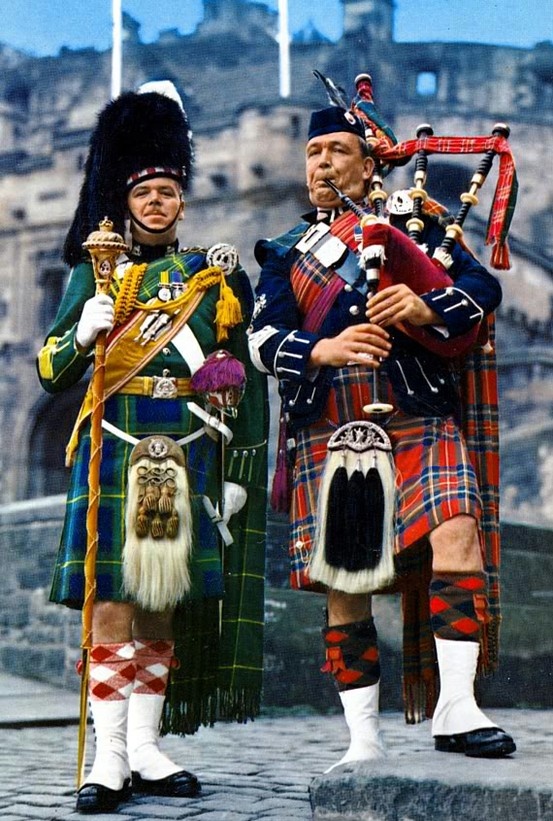
“Bagpipes,” Emet said.  “British blue. plaid”

“Golden,” Cador argued.  “Like the Cornish Lion.”

Julius ignored them and sent a pair to tell Hywel and Weldig by the river to get ready and stay well hidden.

R5 Festuscato: Nudging the Future, part 3 of 3

Hywel made most of the introductions and the Welsh were cordial, but one man from the north of Wales had something to say.  “I don’t know exactly why I am here.  The Irish have been quiet these last few years.”

“But they won’t always stay quiet,” Festuscato said.  “And won’t it be good to have the British and Cornish to back you up?”

“We can handle a few Irish pirates,” he said gruffly, though one man quietly differed.

“Speak for yourself.”

“And the Picts?” Festuscato smiled for the man.  “I understand they are getting to be a regular nuisance.”

“Well.”

“The thing is, Eudof,” he called the man by name having caught it in the conversation earlier. “We band together and take on one thing at a time.  Megla made an incursion into Wales last summer to test the waters.  You can be sure he will be back if he isn’t stopped. But after we take care of the Hun, we can then deal with Wanius and his Picts.  Make sense?”

Eudof slowly nodded, and then stepped aside to reveal his druid.  There came a moment of tension in the room among those who knew Festuscato’s rule, but Festuscato surprised them all.  “A druid.  Welcome.” He reached for the man’s hand. “You have a name?”

“Cadwalder.” The druid shook hands, but looked like he expected treachery.

“Cadwalder,” Festuscato repeated the name.  “Now listen, everyone.  Your attention please.”  The room quieted.  “No killing the priests includes druid priests.  Listen up.  Constantine, you explain.”

Constantine got startled, but then rubbed his beard.  “Well.  It is as I told you.  It is not my place to decide what can and cannot be taught to the people.  A man has to make up his own mind what he believes.” He looked straight at Eudof. “Hardly can be called a man if he doesn’t.”  Eudof nodded agreement.  King Ban laughed and placed a hand on Constantine’s shoulder.
“You have been spending too much time with the Roman.”

Festuscato underlined his words with a look to the Fathers Gaius, Felix, and Lavius.  “You understand.  No militant bishops.”

“Well understood,” Gaius said, and made a point of stepping over and shaking the druid’s hand. The poor druid did not know what to say.

“All right.” Festuscato moved on.  “Cador, the Lion of Cornwall.  I love it.”  All of the men of Cornwall had lions on their tunics.
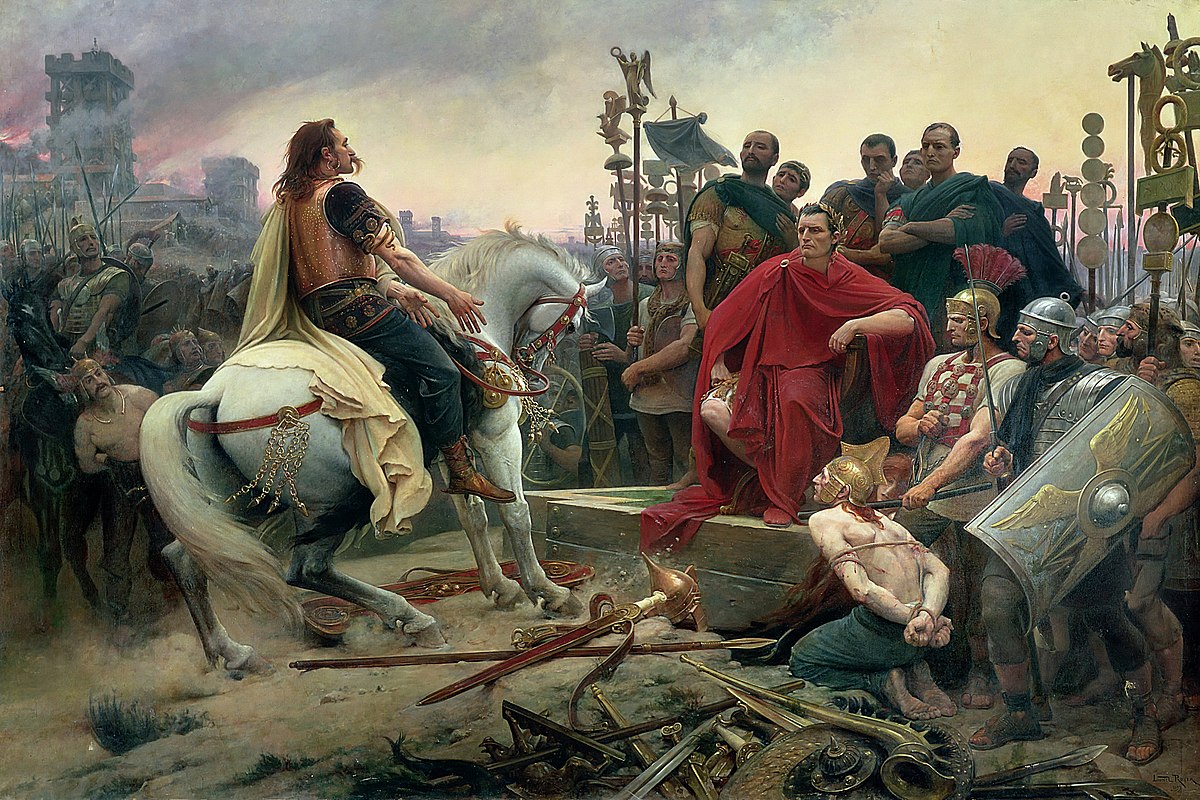
“The dragon was already taken,” Cador said, and shook hands before he introduced his men. Weldig was High Chief of Lyoness. Baldwin was the Lord Mayor of Exeter, but he looked ready for war.  Dynod was from Glastonbury and building a fort on the Tor.  “And you remember Gildas, my cousin from Tintangle.”

“Of course. Gildas.  You ready to kill the bastards?”  Gildas grinned in a way that said he was ready.

“Constans,” Constantine called his son.  Constans was over with the women, speaking to a very animated young woman.  “Constans.”

“Father?”

“Come here, son. You will be in Cadbury after I am gone. You better figure out how it all works right from the beginning.”  The high chiefs sat around one long table where they had wine decanted, and glasses. There were three other tables in the Great Hall, and Festuscato made men move and mingle, because otherwise there would be a Cornish table, a Welsh table and a British table.  Julius, who came in two nights earlier, sat beside Festuscato.  Marcellus took one table, Tiberius took the second, and Dibs took the third, just to watch and keep things cordial.  When everyone got seated, Festuscato waited for Constantine to sit at the head of the table before he sat beside him, across from Constans and King Ban.  Cador asked why he didn’t take the top spot.
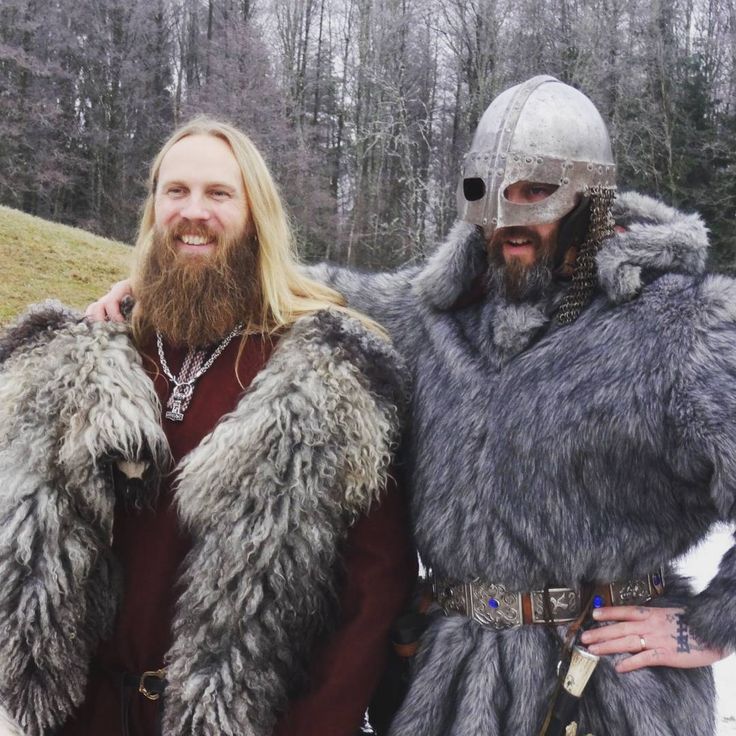
“You are the Imperial Governor, and Comes Britannarium.”

“I am an observer, mostly, and one who looks forward to one day going home.” Festuscato stood again to talk. “You are the people of Great Britain, and I am giving you a high chief for the whole island to help you sort out your differences.  Call him the head dragon.  In Welsh that would be Pendragon.  I have given you a place of Sanctuary where you can come and argue your case, and be heard by your peers who are seated all around this room.  And the lords of Greater Britain can decide, case by case, what must be.   The fact that Constantine is native Amorican is important.  He is not invested in your many troubles.  He is invested in peace.  But remember, he is not a king.  Every man here is equal, and can sit face to face, I hope in friendship.”  Festuscato saw Mirowen appear at the door and she nodded. “Constantine is a man invested in peace, but when it comes to war, I am appointing him Dux Bellorum, the leader in battles.  When he sends out the call to arms, you will bring your men here, or wherever they are needed.  And the Irish, the Picts, the Saxons and the Huns better beware.”  Festuscato picked up his glass of wine that Julius just poured, and he saluted Constantine before he downed it.  Then he made a face.  “We got any ale?”

Mirowen rolled her eyes, but nodded, and many of the men laughed, and a few cheered. “Before we get down to business on this fine day.  Let us feast as good neighbors should.”  He sat down. Servants started to bring in great trays of all sorts of food.  It was not fairy food, but the cooks had been practicing the art of cooking for several hundred years and were pretty good at it.

“Lord Constantine,” Ban said after a while.  “If I had your cooks I would weigh a hundred stone.”  That sentiment seemed fairly universal.

“Hey!  None of that!”  Dibs shouted.  Two men at his table were about to go at each other.  Constantine stood, urged by Festuscato.

“What is the trouble?”

“They both want the last Pig’s ear,” Dibs said and several men laughed.  “And they are about to cut each other.”

Mirowen, in the room, frowned and snorted the word, “Boys,” which got all of their attention. She stepped to the back table where she cut off a pig’s ear.  She came back to Dib’s table where she cut the other ear, every eye following her the whole way.  She handed one to each of the men and said, “Sit.”  It was a command, and they sat.  “Children,” she said, and pulled out a handkerchief to wipe one’s mouth like a mother might wipe her four-year-old.  “Now behave or next time it will be worse for you.”  She stomped out of the room and many of the men tried not to laugh.  Constantine raised his voice.

“All you had to do was ask.”  People stopped to listen.  “The answer might be no, but it doesn’t hurt to ask.”  He sat and sipped his drink before he spoke more softly.  “Remarkable woman, that Mirowen.”

Festuscato nodded, and King Ban spoke up.

“Speaking of which, that was a fine looking young woman you were speaking to earlier,” he said to Constans.  “She seemed taken with you.”

Constans gulped. “Do you think?  She is beautiful.  Ivy.  That’s her name.  Father, don’t you think that is a beautiful name?”  Constantine looked at his son who appeared lost in his own thoughts.

Ban leaned over the young man.  “My daughter,” he said.  “So do we plan for a summer wedding or wait until fall?”

Constantine appeared to think a minute while Constans’ face grew redder and redder. “If we have both the Hun and the Picts to deal with, I think fall will be best.  What do you think?”  He turned to Festuscato.

“I think when I was nine, Mirowen used to wipe my face like that.  It can hurt.”

“No,” Ban said, and turned his head briefly to look for her.  “She is much too young.”  No one responded to what he said.

************************

Next Monday: R5 Festuscato: The Hun in the House.  Don’t miss it. Until then…

Happy Reading

*