Avalon 9.2 The Called, part 2 of 6

The next day, the travelers climbed into some hills where they stopped for a picnic lunch.  Having reached the late medieval world, and certainly in Europe, with the slow recovery of the population since the various crisis of the late Middle Ages, including the plague, the travelers found plenty of village inns all along their route.  Those inns had big fireplaces which helped against the winter cold, so even if the food and lodging were usually poor, at least they did not have to camp in the snow and wilderness very often.  In fact, when they crossed the hills that separated the coast and Barcelona from the Ebro River valley, they chose to picnic where they might have found a village inn to rest.  Katie found a spot where the wind at least blew the snow away.

“I want to hear what Lincoln and Elder Stow have figured out without unauthorized ears listening in,” Katie explained when she picked the stopping place.  Decker agreed, and just checked both sides of the hill to be sure they had an unobstructed view.  He did not want anyone, or anything, like space alien spiders sneaking up on them without their ability to see and be forewarned.

Lincoln read from the database for the last day and a half and was ready to report his findings to the others.  Elder Stow also spent some time reading in his own Gott-Druk database.  It was not nearly as detailed as the one Lincoln carried, and particularly with regard to human history it was often wrong, but Elder Stow’s database contained some information that Lincoln did not have, like what to do about certain alien species.

Lincoln began with Catherine, the Kairos.  “You remember. English mother, Spanish father who served as a military officer for King John II of Aragon.  Her mother died when she was young.  Her father died in Naples and the crown supposedly did not know there was a child, a teenager.  The house was given to a different family, and Catherine got thrown out.  She took up with a man named Smith—a quarter-English descendent of the English troops the Black Prince sent to Castile in support of Peter of Castile in the War of the Two Peters.  Smith was an old man who turned to highway robbery having no other way to make a living.  He taught her…”

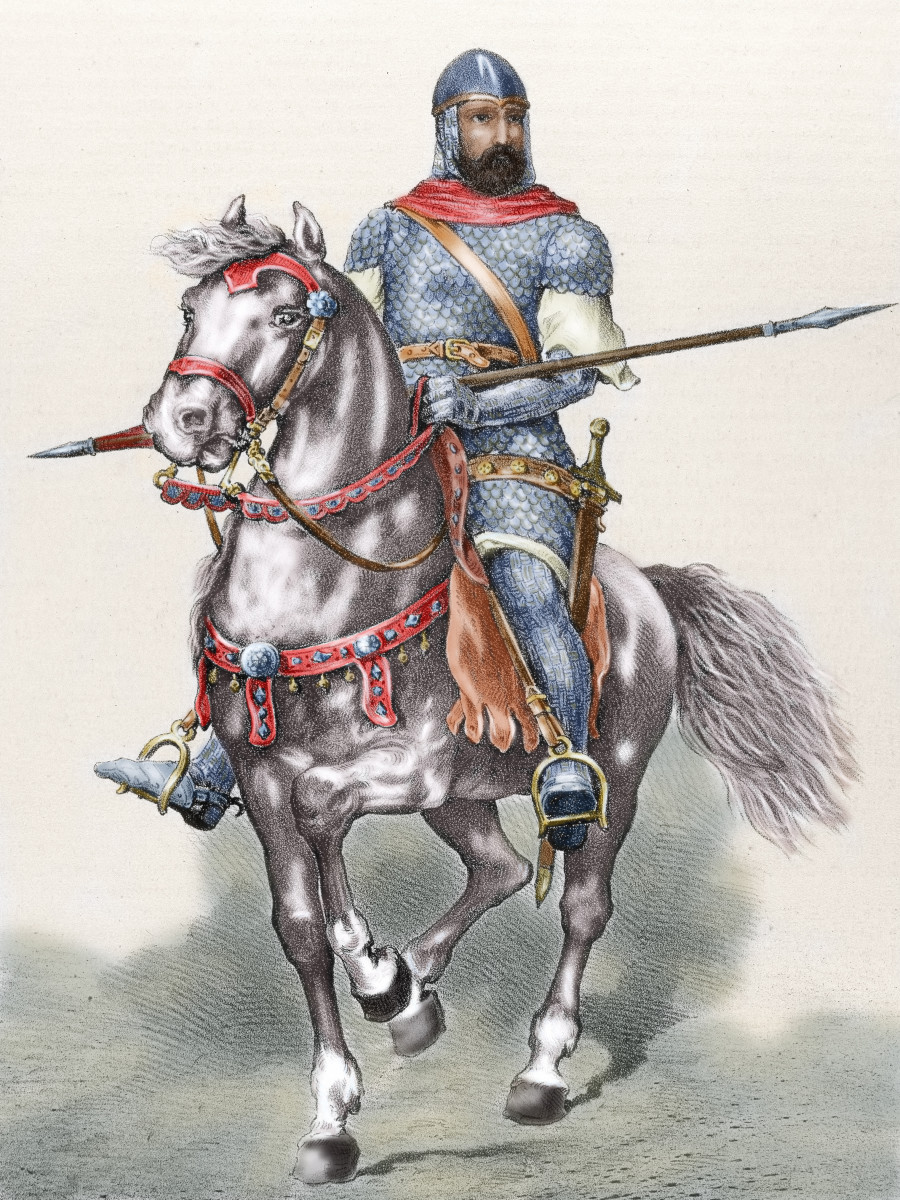
Lincoln scrolled a little before he began again.  “She took over the brigand group.  People called her The Falcon—the crest she wore on her tunic over her armor, her cloak, and her shield.  El Halcon mostly because people did not know it was a woman…”  Lincoln found the place he was looking for.  “Anyway, she saved John II, the King of Aragon’s life, and his son, Ferdinand, as in Ferdinand and Isabella.  She fought off the Moors, servants of the Masters sent to kill specifically Ferdinand… That was before Ferdinand and Isabella married.  You can imagine the Masters probably did not want that marriage to take place.”

“Talk about changing history,” Katie said, and Lockhart nodded. Once again, Lockhart figured any names he knew had to be important to history.
“Anyway, Catherine admitted to the king who she was, and the king recognized that he made a terrible mistake taking her father’s title and property.  He promptly married her off to the old Count of Chaca—Jaca, the original capital of Aragon that became an Aragonese border county against Navarre, the Basque country, and the French.”

“Okay,” Decker interrupted.  “She is a countess.  Now it is 1476.  What is she doing now?”

“How old is she?” Sukki asked.

“Thirty-nine,” Lincoln said.  “Probably thirty-eight, depending on when her birthday is.  Anyway, Ferdinand and Isabella married in1469 and Isabella claimed the throne of Castile in 1474 when her half-brother, King Henry died.  Unfortunately, Joanna was supposedly Henry’s child and also claimed the throne, and she had the King of Portugal supporting her.  Let’s see. Joanna is about fourteen.  Isabella, about twenty-four.  Castile is divided, and basically Aragon is fighting Portugal.  Catherine gets out her armor and brings her people to support Ferdinand.  She gets it out one more time in the future when they overrun Granada.”

“Wait,” Katie said, sharply.  “We don’t need the details of future events any more than anyone else.  Any one of us might accidentally say the wrong thing at the wrong time and to the wrong person.  You know that.”

“Yeah, sorry,” Lincoln said.  He pulled his cloak tight over his shoulder.  The cold wind was picking up, and he was missing his wife, Alexis.

“But wait,” Nanette spoke with a glance at Decker.  “What did you find out about the Galabans?”

“The database calls them Conquistadores,” Lincoln said.  He looked around the campfire to judge the reaction to that word before he said, “Elder Stow and I talked about it this morning, and I think he has more general information that he wants to share.”

“Right,” Elder Stow said as he got out his own database for reference.  “There is not really much to tell, but essentially the term Conquistadores is correct.  Their world was destroyed in a battle between the Flesh Eaters and Apes.  Most of their world is radioactive.  In the end, there were only small places that remained habitable, and the population got squeezed into those places.  They were…” Elder Stow paused to think.  “About Roman level of technology.  No gunpowder.  They had concrete and steel, but they were experimenting with steam engines, so not an exact parallel.  The war left a lot of broken space race technology around, and some of it was serviceable.  Over a few hundred years, they not only got space flight, jumping straight to faster than light flight, but they also got the weapons technology to take to whatever worlds they discovered.”

“Conquistadores?” Tony asked.

“Yes.  They visit and plant a small colony.  In a short while, they bring supplies and more settlers.  Maybe start a second colony.  Eventually, the native population figures it out.  They resist, but the Galabans use their superior technology to crush the resistance and maybe make slaves.  More come, and if they carry a disease that the human race has no resistance to, too bad for that.  Eventually, the human race will be pushed to the edges, or forced to try and fit in with the Galabans that now own everything.  As I understand it, that is the technique.”

“Conquistadores,” Lockhart said in a grumpy voice.

“The Priest said Barcelona was a temporary settlement until the Kairos has time to make better arrangements.  Maybe she will move them off world—like to an uninhabited planet.”

“They drowned their ship,” Lockhart pointed out.  “And the Kairos does not have any spaceships I know of.”

“Yes,” Elder Stow agreed.  “But I have learned on this journey not to underestimate what the Kairos may do.” People understood and agreed with that.

“What about the spiders,” Sukki asked, while they talked about the aliens.

“Ah!” Elder Stow put up a finger to take back the conversation.  “They are called Panknos in my Gott-Druk database.  They are human size and poisonous, both.  The females are intelligent enough to figure out space flight. cryogenics, and even repair the ships they take to some extent.  They do not have any technology to build ships, but they can figure out how to fly any ships foolish enough to land on their world.  The males are not so smart and tend to be eaten by the females after their egg sack is fertilized.  They birth hundreds of babies at a time, so the Galaban was right about them breeding fast.  Their world is way overpopulated, so they are quick to find ways to escape their world and would dearly love a world like Galabar or Earth where there is a ready food supply.”

‘Great,” Lincoln said and frowned.  “Flesh Eaters—no, Wolv all over again.”

“Similar,” Elder Stow admitted.  “They don’t have ready access to ships, like the Wolv had whole fleets of Humanoid ships.  But the Wolv and Flesh Eaters who went there both lost. Poisoned, mostly.  They got overwhelmed with numbers of Panknos and got eaten.”

“Serves them right,” Decker said.

“So let us hope they did not follow the Galabans to this world,” Nanette said, and people began to clean up from lunch.  No one had any appetite left.

###

On the fourth day out from Barcelona, having ridden due west, Lincoln suggested they were nearing the Aragon-Castile border.  “Sometime tomorrow, we will be getting into where the war of the succession is going on.”  He pushed the slop around his bowl and stared around the inn.  The slop was supposed to be chicken something, but Lincoln was not sure it ever got near a chicken.

“We just need to keep a low profile,” Lockhart said, and Decker agreed, but Katie shook her head.

“These kinds of civil wars don’t give people a choice of staying out of it.  Even peasants get asked which side are you on?  We need to be prepared for that.”

“If it helps,” Sukki said, and pulled out her amulet which showed the next time gate and the general contours of what lay around them.  “The Kairos appears to be getting closer.  We might meet her tomorrow, and if she keeps moving east, we might find the time gate before we reach the war.  You said the war was mostly in the far west, over by Portugal.”  Sukki smiled.  She did not normally say that much, but these people were really becoming family, so she did not feel so shy.

Elder Stow whispered to Nanette.  “There are still Panknos in the future, but they are confined to their home world.  Everyone knows not to go there.”

Nanette nodded as Tony spoke up.  “Anyone find any chicken in this goop?”

Decker smiled.  “I ate something that may have been chicken.  No guarantees.”

“Tasted like chicken,” Katie said with a grin.

“It’s all Greek to me,” Lockhart said and returned her grin.

“Land of Goshen,” Lincoln said and added his grin.

“Land a Goshen,” Decker responded with an “Ouch.”  Nanette kicked him under the table.

“Family,” Elder Stow said with the biggest grin of all.

Tony just frowned and stirred the goop in his bowl.  Someone out in the kitchen screamed, and Tony jumped up as he mumbled the word, “Saved…”

M3 Margueritte: Guests, part 1 of 3

Lady Brianna came home, greeted her guests cordially and hoped they had their fill of war stories before she arrived.  Soon enough, they were seated around the supper table, Maven and Marta serving.  Lord Bartholomew sat at the head of the table with Lady Brianna, Margueritte and Elsbeth to his left.  Charles, Roland and Tomberlain were to his right, and Tomberlain would hardly leave poor Roland alone.  By necessity, Margueritte paid some attention to the more adult conversation her father and mother had with Charles.  He explained the queen’s birthday trouble and the false accusation of Ragenfrid, though it was hardly necessary.  Sir Barth had already decided that Charles was in the right and Ragenfrid must be a “Turd.”  Naturally, Brianna scolded him for the word.

“Well, I’m glad I’m not in Paris,” Bartholomew said.  “I hate politics.  I wouldn’t last ten seconds the way those vultures circle around.”

“It is hard at times,” Charles admitted.  “But I try to remember our nation and the people.  I believe if men like us don’t step up and lead, then men like Ragenfrid will take over.”

“Leading.  That’s what I keep trying to get through my son’s thick head.  You have to be decisive and patient.  You have to decide which way to go and start right out.  But then you have to be patient enough to let the others catch up to where you are.  Isn’t that right, Tom?”

“Yes, Father.”  Tomberlain had long ago learned to keep one ear out for his name on his father’s lips and “Yes Father” was invariably the right answer.  Still, it made no difference in his monopoly of Roland, and Margueritte finally got mad enough to kick him under the table.  He did not even feel it!

“Pardon, m’lord, m’lady.”  Marta hated to interrupt.  “But with supper served I should take clean linens to the guest room?”  She usually addressed the lord of the manor in questions.

“Yes, Marta,” Lady Brianna affirmed.  “Please do so.”

“And so, my dear.”  Lord Bartholomew let his guest eat for a minute.  “How was your day?”

The lady shook her head.  “I do not like this cold or flu that has come on some of the people.”

“What are the symptoms?”  Charles asked.

“The usual,” Lady Brianna answered.  “Runny nose, cough, congestion.”

“And?”  Bartholomew knew there was more.

Brianna turned a little red.  “Loose stools.”

Lord Bartholomew started to laugh.  “Runny turds,” he joked.  Everyone smiled, a little, except Brianna who turned red but did not scold her husband this time.  He apologized all the same.  “I’m sorry, dear,” he said and laid his hand on hers.  “Gentlemen, I will tell you this woman is the best woman and wife a man could ever have.”

“Hush.”  Brianna turned a little red again, but this time the smiles around were genuine.  Everyone felt warmed by the sentiment and Margueritte rubbed her mother’s arm in support.  Finally, Charles spoke.

“This is quite a feast you have made.  Your cook is very good.”

“Excellent.”  Roland spoke his mind as Tomberlain paused briefly to stuff his face.

“A dwarf.”  Bartholomew admitted and pointed at Margueritte while Charles nodded that he understood.  “And worth ten times her weight in gold, only because she weighs so little,” he said.  He made a joke again.  “But to be honest, times have been good of late.”  He got vocal now that he entered familiar territory.  He could not help talking farm talk.  “We lost our eight sheep some years back now and I had to spring for six to start again.  Now we have twenty, and the cattle have increased as well.”

“All of the animals.”  Brianna interjected.

“We have more milk than we can use, and the fields have been prosperous, too.”  He pointed again at Margueritte.

“Bartholomew.”  Lady Brianna squeezed his hand.

“Now, he has seen them,” Bartholomew explained.  “I don’t mind giving credit as due.”  He turned back to Charles.  “I got some Arabians some time back and I have been breeding them with my chargers to see what they might produce.  So far, I must say I am impressed with the results, eh?”

On the word Arabians, Charles gave Roland a sideways glance.  “And how did you come by these?”

“The Moor.”  Bartholomew answered, and then said a bit more.  “The Saracens sent an ambassador to Amorica some years ago.  I wrote to Paris about it, perhaps you saw the correspondence?”

“No,” Charles admitted.

“But I bet Ragenfrid has,” Roland added.

“What happened?”  Charles ignored Roland’s comment.

“Well, he lasted about four years, exactly, before King Urbon threw him out of the country.  He was an arrogant, er, man.  Why?”

Charles hid nothing.  “The Moors invaded Iberia last year, and all the squabbling Visigoth kingdoms there will not be able to withstand them.  Earlier this year, the Saracens, as you called them, sailed into Narbonne and made a quick incursion into Aquitaine, all the way to Toulouse.  Many were killed and much loot got taken.  Pepin concluded that the people of Aquitaine can look after themselves, but I suspect the Arabs may be testing the waters, if you know what I mean.”

“Eh?”  Bartholomew thought hard.

“M’lord Charles always likes to think about ten steps ahead,” Roland added.

Bartholomew continued to think for a moment before he answered.  “Ten steps ahead is a good thing for a military man.  Baron Bernard on the south March in Atlantica always said Lord Ahlmored seemed more likely a spy than an ambassador.”

Charles nodded, but said nothing more about it.

Margueritte took that moment to rise.  With Marta upstairs, she would help with the dishes.  She picked up her own and then bent forward a little to touch Sir Roland’s plate.  She did not mind at that point what he looked at and was rather hoping he would look.  “Unless you would like some more?” she said.

Look, he did.  Then he pushed back his chair a little and sighed.  “No thank you.  If I ate one more bite, I could never ride that invisible horse of mine.”

Margueritte smiled and thought he had a wonderful sense of humor.  She took his plate and turned to see Elsbeth holding her plate up to also be taken.  “Not a chance,” she said. “You help, too.”

“Grrr,” came Elsbeth’s response.

M3 Margueritte: Samhain, part 2 of 3

The strange looking man spoke much too loudly.  “The Great Lord Ahlmored requires you to stand aside so his train may pass.  Then you may follow up after as you please.”

Bartholomew looked shocked for a second at the audacity.  He looked at his men and laughed loud and long.  “You go back and tell your Lord Al-mud the Franks stand aside for no one.”

“Eat our dust,” Margueritte whispered to Tomberlain, who snickered.

 “Hush.”  Brianna quietly scolded the children and turned to speak as if she was the only one to fully realize the seriousness of what was happening.  “Young lord.”  She spoke up, and Sir Barth and the Frankish soldiers looked to her, being accustomed to her good counsel.  The stranger looked taken aback, at the sight of a woman speaking, and an unveiled one at that.

“The soil of this land is full of sand and I understand how difficult it can make traveling, but here it is near mid-day.”  The lady looked up through the trees as if judging the sun.  “Perhaps your lord may be willing to pause and refresh himself while we push on.  Surely by the time he is done, our dust will be well settled.”  It seemed a fair suggestion, only the stranger simply could not hear a woman’s words.

“If you will not move, you may be made to move, kafir!”  The man growled and spun his steed to the rear and sped off.

“Form up.”  Sir Barth understood the threat well enough.  He pushed the wagons out front with orders to move on to the village as fast as they could.  “Don’t draw sword unless I give the word,” he said.  It did not take long for Margueritte to hear the sound of approaching horses before a dip in the road obscured both the sight and sound.

“Mama.”  Tomberlain may have wanted to say he would be a man and take care of them all, but he clearly felt afraid.

“Hush,” Brianna said again.  She listened for something the children could not hear.  Margueritte guessed she was praying.

It turned out not long at all, perhaps twenty minutes, before they heard the horses again, coming up fast.  Lady Brianna breathed deeply, and the children cheered when they saw Sir Barth.  Old Lord Bernard rode beside him, trailed by some fifteen well-armed Franks.

“Lord Ahlmored was as loathe to draw arms as we were, but he had about two dozen men and no doubt planned to move us off the road by force of strength,” Bartholomew explained.

“Luckily, I had just caught up with his slow-moving procession.”  The Baron jumped in.  “It took a minute to figure out what was happening, but then we came straight on while my wagons pushed right by the fools.  Jessica should be along in a minute.”  He looked back for his wagons while Sir Barth finished the tale.

“I guess they decided not to try us once the numbers were more or less equal.  I will say, though, he is an arrogant son of a—”

“Bartholomew!”  Brianna did not want to hear the rest; especially in front of the children.

It took more than a minute for the Baron’s wagons to catch up, and Brianna had a chance to welcome Lady Jessica.  Then with five good wagons and some twenty men at arms, they made quite a procession when they entered the village.  A nearby field had been set aside for the servants and soldiers to set up camp.  The nobles and their families went on to the inn.

Constantus, the Roman, and the first great house just south of the triangle, had already arrived with his wife, Lady Lavinia.  Old acquaintances were renewed, but Margueritte sighed, because the baron’s youngest was sixteen, and Constantus’ youngest was fifteen, and they were both boys.  Tomberlain would be a rare sight during their stay as he would be hanging with the boys.  That left only three-year-old Elsbeth for comfort, and she was small comfort.  Thus, Margueritte decided she would have to leech herself to her mother and act grown up the whole time they were there.  It would be hard, but it felt better than being alone and left out of things.

Urbon, king of Amorica, had come into town the day before and already established himself with his court in the great house with the wooden towers, which was his only residence for the once-in-four-years visits.  Meanwhile, the village square and another adjacent field were already set up with booths and festivities and Margueritte’s mind turned to sweet meats and toys.  All they had to do was check their rooms and they could be off to the fair.

“You will love this, Elsbeth,” Margueritte told her sister.  “Everything about the Fall Festival is wonderful.  I know I loved it when I was your age.”  Of course, in truth, she could hardly remember it when she was three, but since then, and especially in the days of anticipation before coming, it had been built up so wonderfully in her mind, Margueritte was in danger of disappointment lest the reality not live up to her imagination.

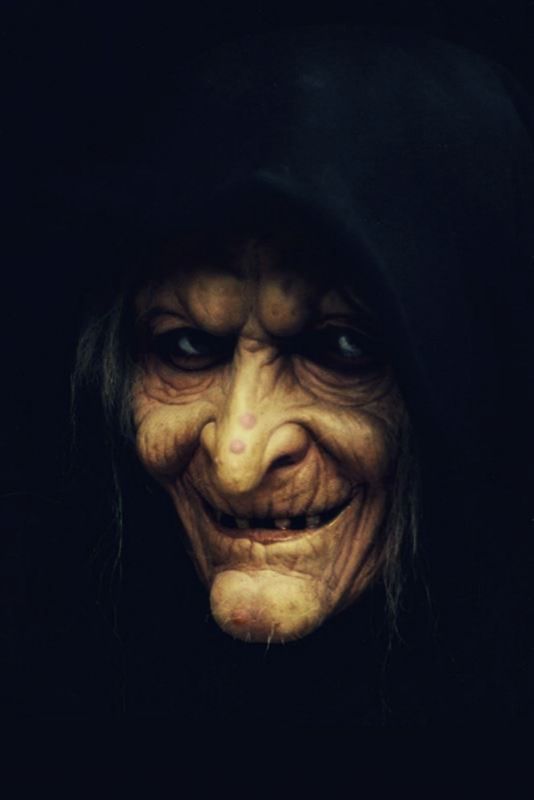
Elsbeth chose that moment to scream and Margueritte screamed with her.  As they walked into the inn, a woman startled them terribly.  She was the most wrinkled and ugly, half-toothless, gray haired hag of a lady Margueritte had ever seen.  The woman’s eyes glared at the children as if piercing to their souls, and it seemed those eyes looked without blinking.  Lady Brianna picked up her baby and Margueritte found herself in her father’s firm grasp.

“I must have frightened them.”  The woman expressed a touch of glee in her voice as if she felt delighted by that prospect.

“Startled, perhaps is all,” Lord Bartholomew said, as he acknowledged the woman.  “Lady Curdwallah.”

The Baron broke in.  “Once again, m’lady, let me express our deepest condolences on the loss of your husband and children, though it was now so many years ago.  We have not forgotten him, or you, and we continue to remember you in our prayers.”

“Faugh!”  Curdwallah said.  “Thank you, but it would be better if you stopped bringing it up every time we met.  It is done.  That is that,” she said, and walked out toward the village square and the king’s house.

“A hard woman,” Bartholomew breathed after her.

“Indeed,” the baron said as he directed them to a table.  Margueritte got carried along with them.  They got drinks, though Margueritte found her portion of cider watered to almost nothing.  She looked at it, but only for a moment.  Traveling was thirsty business, and then she did want to hear what they were saying about the hag.

“I, too, have written to the king.”  Baron Bernard was speaking.  “And concerning myself as much as Lady Curdwallah.”

“No.”  Bartholomew protested, but Bernard simply moaned and rolled his arthritic shoulder in response.

“Indeed,” the baron continued after a sharp, strong drink.  “The king and the mayor do not appear overly concerned with the Amorican Mark.  Too many years of peace, plus he is older now as I am, and the political wrangling has stepped into the power gap.  I have seen the same thing happen before elsewhere, in type.  Some say the Roman Cicerus is to be watched, but my money is on Ragenfrid.”  He took another drink and added an afterthought.  “I can’t say as I like the man, personally, though.”

“What about that young Charles fellow?” Bartholomew wondered.

“I don’t think we can count him out, being of the mayor’s issue, but at this point he is terribly young, I would guess around seventeen.” Bernard agreed. “He is a fine young man and has a good military mind.  If the peace is broken with the Saxons or Burgundians, or for that matter, with Amorica or Aquitaine, however unlikely that may be, and something should happen to Pepin, I would not be surprised to see him elevated all the way to Mayor of the Palace in his father’s place, next in line to the king himself.”

There came a break in the conversation as a commotion outside drew them all to the door.  Margueritte watched from the feet of the two men who ignored her completely. Ahlmored, the ambassador from Africa had finally arrived with his twenty-four soldiers and his servants and terribly slow-moving baggage train.  The people crowded around to see this strange sight while Lord Ahlmored seemed both attracted by the attention and waved grandly like a conquering emperor might wave to the admiring masses and repulsed by the thought that one of these unbelievers might actually touch his person.

The baron picked up where he left off in his thoughts about war.  “Then again, these arrogant Africans may be looking to extend their empire and infernal religion into the heart of Europe.  Who knows?  This Ambassador may be the first salvo in a war we cannot yet imagine.  Those basted Moors, or whatever they are called, have marched with little resistance right across North Africa.  In any case, I suspect this Ahlmored fellow will be more of a spy than anything else.”

“I’ll warrant,” Sir Barth agreed before they turned back into the inn.  Margueritte stayed outside and watched for a minute more before her mother came and snatched her up.

“I swear,” Brianna said.  “Your father would lose his sword if I wasn’t there to point to his side.”  Margueritte got placed with Elsbeth in the capable hands of Lady Jessica while Sir Barth and Lady Brianna made a trip to some of the poorer places with gifts of hope.  Maven and Marta fixed the rooms as well as they could, checked on the arrangements for supper, and helped the grateful innkeeper as much as possible.  The rest of the troop had time off, except for the command to stay ready in case they were called

Lady Jessica bought the girls some sweets and each a toy.  They spent a lot of time fingering various bolts of colored cloth, but it had already gotten late in the day, and much of the festival started to close for the evening.  Thoughts turned to suppertime, and the sun would soon set.  When they returned to the inn, the Franks sat all around a big table and the Lady Jessica was nobly welcomed.  Margueritte and Elsbeth got to sit at the children’s table.

Margueritte knew they would have all the next day for fun and games before they came home to be kept by Marta and Maven.  Mother and Father would eat with the king of Amorica that night, and then all the fires would be extinguished except the king’s fire from which all the fires in the world would be relit, or so they said.  Then the day of Samhain would come, and it would be more fun and games before an evening to relax and an early start home in the morning. 

Margueritte nodded and thought about how traveling could be a tiring business, and she might have fallen asleep at the supper table if Tomberlain had not chosen that moment to stagger in.

“Son?”  Lord Bartholomew looked up.  “Have you supped?”

“Yes shir,” Tomberlain said.  “Me and Michael and Sebalus…us.”

“And had a bit to drink I would guess.”  Bartholomew looked stern.  Brianna looked mortified.  Tomberlain opted not to speak.  He simply shook his head up and down.  He shouldn’t have done that.  He ran toward the fire and promptly emptied his stomach.  No one laughed.

“I think I’ll have a talk with that son of mine,” Constantus said.

“Indeed,” the baron added.  “And my Michael.”

Margueritte and Elsbeth got promptly carried to bed.