
Genevieve
After 755 The Rhine to Provence
Kairos 102: Genevieve of Breisach
It is curious how things work out, like the number of times the lives of the Kairos have paralleled certain fairy tales; and it is not because the Kairos has a special relationship with the little spirits of the air, fire, water, and the earth, including the fairies. It is just the way things sometimes work out.
Once upon a time, the Kairos Faya, the word for Beauty in her language, actually fell in love with a beast and also pricked her finger on a sewing needle. She fell asleep and there were thorns and everything until she was awakened by a kiss. Of course, in those very ancient days the gods of Asgard and Vanheim were at war and Faya got caught up in it. And her beast was actually the king of the Were people you know, like werewolves, werebears, and such, but why quibble about the details? The story did take place on the Transylvanian Plateau, so there is that.
 Likewise, Greta, the wise woman of Dacia under the Roman Empire, had to travel through the haunted forest to stop another war. Greta and her younger brother Hans first found the old woman, Mother Hulda, who lived alone in the cabin by the woods. The woman had been shredded by a wolf who had such big eyes and teeth. Of course, in this case, it was an actual werewolf, you understand, not one of the Were people. Greta and Hansel went into the woods to do their thing with the hag and the really big oven before they got separated. Greta, a platinum blonde, found another cabin deep in the woods. Yes, the cabin was empty, so she ate some food left on the table, being half-starved, broke one of the chairs—just because—and got caught napping in the loft. You understand, Papa, Mama, and their son were not actually bears; but they were members of the local Celtic Bear Clan, so maybe that counts.
In the case of Genevieve, another blonde, she was the firstborn of a petty Frankish noble. Her mother, an Alemani, seemed a kind and gentle soul from what Genevieve remembered of her. The man went happily to war which was sometimes safer in those days than staying home. His happiness abruptly ended when Genevieve’s mother died giving birth to Genevieve’s baby brother. Genevieve was four. What could the man do? He had obligations to fight for Pepin, King of the Franks. He had been given land in the town of Breisach, on the Burgundian border, where he had to watch the Bavarians in the east and the Swabians in the south, the Thuringians in the north, and sometimes the Burgundians at his back. He was a soldier. What did he know about babies? But that was not the end of his sorrows.
Two years later, Genevieve’s baby brother died of complications from the flu. That was the way life went in those days. The man came home from war unscathed while his wife and son died in the house. It put the poor man in a difficult place. He knew nothing about raising a girl.
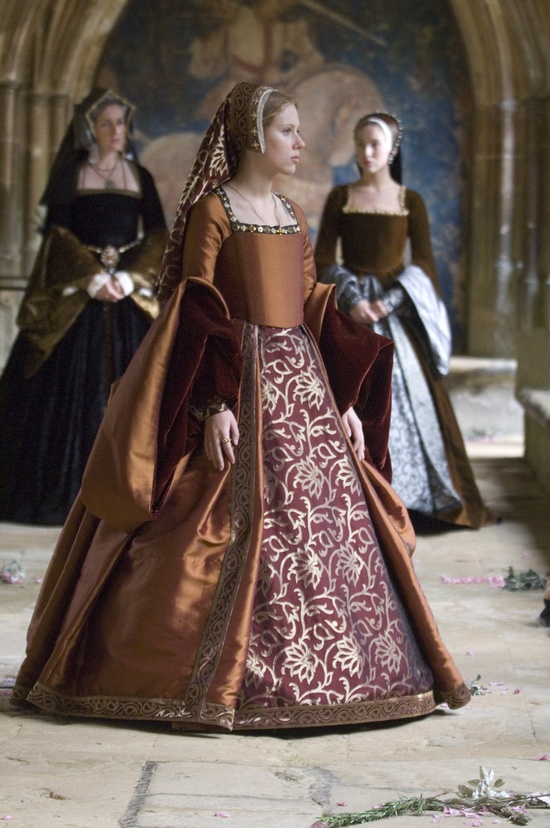 As you may have already guessed, about the time Genevieve turned six, her father married a widow who had two daughters of her own, one who was seven and one who was four. He imagined the three girls would be good sisters together, and his new wife would mother them and raise them to be ladies. He went happily back to his war and promptly died on the battlefield. I did not mean to suggest that war was a safe place to be.
Poor Genevieve.
You know the story well enough. Mother Ingrid spent all the money lavishing gifts on her daughters and spoiling them rotten. Genevieve got the leftovers and hand-me-downs, which she soon had to learn to take in because her sisters got fat. One by one, the servants in the house had to be let go, and Genevieve was forced to do the work the servants once did, until she became like a servant in her own house. And make no mistake. Even though Mother Ingrid claimed the house on the hill and all of the property in the county, the house was Genevieve’s. Father made sure of that before he left. Mother Ingrid and her daughters, Gisela, and Ursula had no claim. It was something like a prenuptial agreement Mother Ingrid signed, and it got kept in the town hall, in the hall of records where Mother Ingrid could not get at it. And just to be sure, the Church had a copy.
The house was a big house, too. It sat on the hill at edge of town with some property attached, including a barn and stables, now empty, of course, because Mother Ingrid sold off the horses and livestock long ago. They had farmland well away from town that tenants, something like serfs farmed. That produced a reasonable yearly income every summer and fall. Genevieve, which meant Mother Ingrid, also had the right to levy certain taxes in the county which came in over the summer. The household generally had plenty, or at least enough until about mid-March. After that, Mother Ingrid’s cry became, “Wait until May. The tax money will start coming in May. Things will get better when the summer arrives.” That was not always the case, but Mother Ingrid did go over the tax accounts carefully. At least the man who collected the taxes did not cheat them.
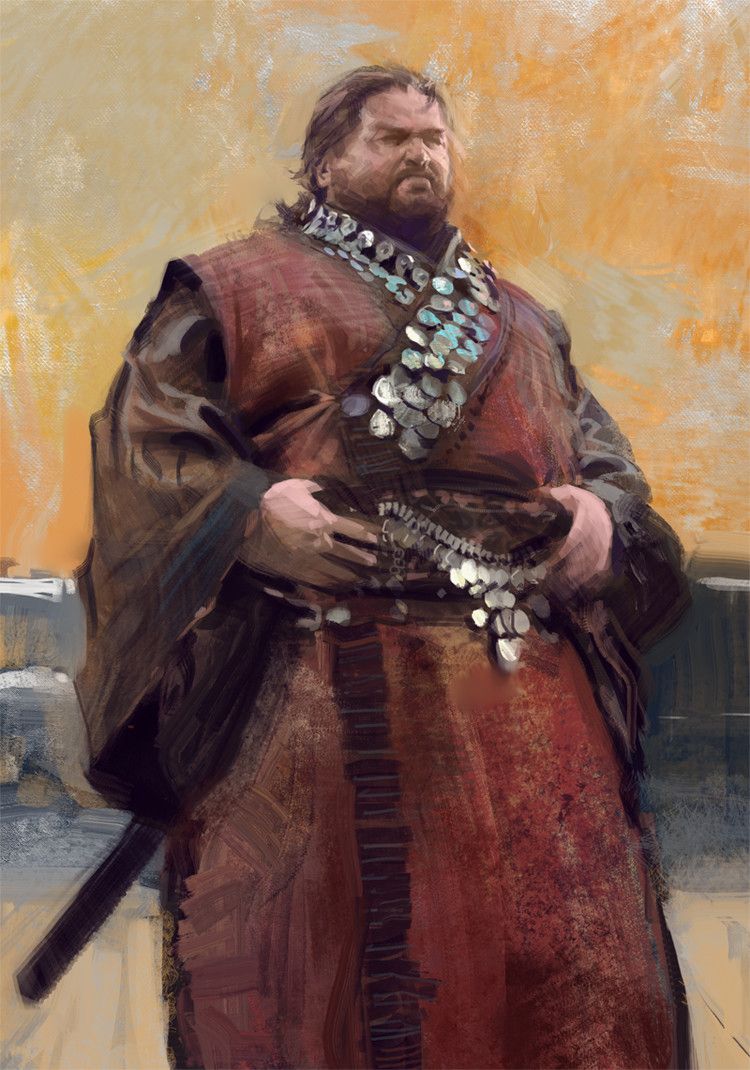 For seven years, life became more and more difficult for Genevieve, and the worst of it was when they had visitors, or rather one visitor who came four times over those years. Signore Lupen’s family in Lombardy and Mother Ingrid’s family in the alps apparently knew each other. Signore Lupen was a merchant of some sort and since Mother Ingrid had gained some position, he wanted to take advantage of that by opening up a new market. To be honest, Genevieve never did understand what goods the man marketed outside of some Tuscan wine which he freely supplied to the house. He stayed at the house, usually for a month, and treated Genevieve like the lowest of servants, making constant demands and criticizing everything she did. Mother Ingrid just laughed at the criticism.
The man was like the worst sort of uncle, and worse than that, he always came with three workmen, all ugly and mean, that left their barge and big wagon on the Rhine and stayed in the barn. She had to clean the place and feed them, too, and they were never nice to her. Worst of all, Signore Lupen always brought his son with him. The boy, Antonio, was a year older than Ursula, or two years older than Genevieve. He treated her worst of all. He touched her once, and she screamed. He hit her twice, though he swore he only slapped her. He shoved her once hard enough to push her to the floor and almost down the stairs. And he always got away with it.




 Storyteller Tales & Thoughts