Medieval 5: K and Y 7 Buying a Ride, part 2 of 2

Kirstie

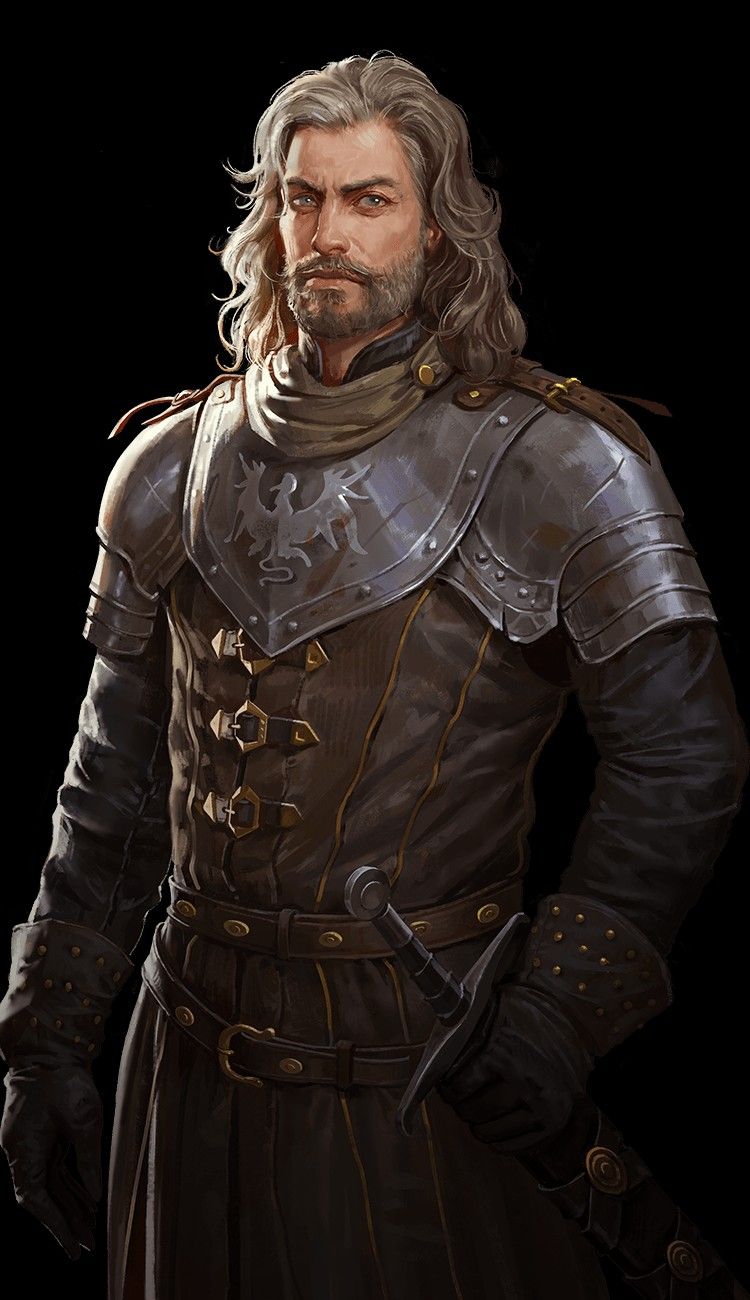
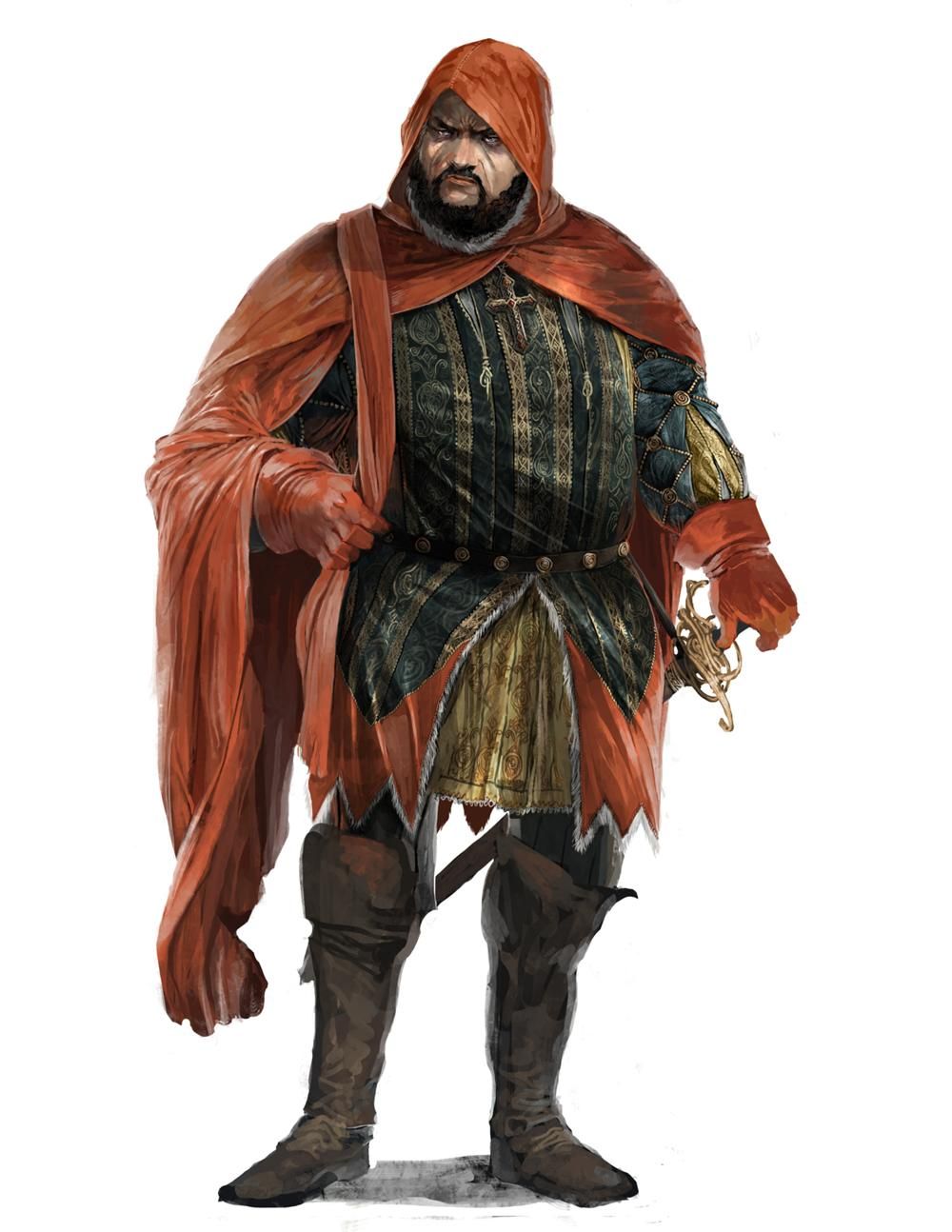
Kirstie sat, so the men sat. She dressed in slacks and a simple tunic that covered the shape she was developing at her young age. The men came dressed in what may have been their best. They bathed and maybe even washed their hair. They wanted something from her and were willing to make the effort of a good appearance. Kirstie smiled at the thought of them making the effort.

“So, tell me,” she began. “How did your voyage work out?”

Captain Stenson looked at Frode before he began the story. “On our first trip, we followed the land south, thinking the men needed a good beginning and we did not want to get lost at sea,” Captain Stenson explained. “We had furs, grain, mostly wheat, and several bundles of down and feathers. We should have made a good return on all that. We visited Kupang, our own main trading center, but we lost most of our grain in the king’s tax. We gained some silver for the feathers but could not find an interest in our furs and hides, which was mostly what we had. We thought to try the Danish center of Ribe. Back when I sailed with Captain Birger, I recalled they were interested in the fur trade.”

“We headed for Jutland,” Frode interrupted. “We sailed two days down the wrong side of the peninsula before we turned around.”

“One day,” Rune insisted. “We figured it out after the first day.”

Frode shrugged. “We backtracked and went around.”

“Anyway,” Captain Stenson continued. “We found Ribe was willing to take our goods, but we hardly got their worth. We did not fail on the trip, but we hardly made any profit.”

Frode looked like he was going to complain so Kirstie interrupted. “What did you take on your second trip? I am guessing the men contributed all the furs and feathers they had for the first trip.”

“No,” Captain Stenson said. “We have brothers and sons who continued to get furs and hides over the year we were away. Trade is very much a family business. We had some grain again, though this time mostly barley, but most of what we had was bundles of carded wool from my family and Frode’s family. We thought to visit the Oyskjeggs thinking the island must have very cold winters.”

“Orkney and Shetland Islands,” Frode explained.
Captain Stenson frowned. “We landed in Danelaw, in Northumbria where they have flocks of sheep covering every hillside.” Kirstie nodded. She understood why so many of her people turned from honest trade to taking what they wanted. They simply did not have the trade goods for a good exchange.

Frode groused. “We unloaded our wool in East Anglia for practically nothing.”

“We crossed straight over the sea,” Captain Stenson said with a hard look at Frode. “We thought to hit the Danish coast but landed in Frisia near Utrecht. They came out armed against us, and we ran. Eventually we found a Frisian fishing village and the men all but rebelled. We went into the village and took a few things. A couple of good plows and farm implements, and some glassware.”

“They paid us off to go away.”

“We left our leftover wool, fur and hides there. Some good leather, so we did not actually steal their things,” Captain Stenson said. “At least I like to think of it as a trade.”

“I understand in Iberia and North Africa, quality furs like beaver, ermine, and fox pelts go for a premium price,” Kirstie said.

“But that is so far away,” Captain Stenson countered.

Frode looked at the ground. “I honestly would not know how to get there.”

“So, what do you have this time?” Kirstie asked. “Obviously, you came to me because you are getting ready for the next trip. I know right where to go if you have the right goods to trade.”

Rune and Frode looked at each other again, and Frode spoke softly. “We were wondering if you could maybe teach me what your father taught you… What?”

Kirstie simply shook her head. “I am going. I would not be the first maiden to go on a trading expedition. Besides, you will need the goods I bring to trade. Did you forget?” Kirstie called, and her slacks and tunic became instantly replaced by the armor of the Kairos with her sword at her side, her battleaxe and shield at her back, and her long knife across the small of her back. “Yrsa,” she called while Captain Stenson and Frode got over their shock.

“Lady?” Yrsa came from the other room dressed in fine leather with two knives at her side and her bow and arrows at her back. She looked ready for war. She also appeared as the elf she was, having neglected her glamour of humanity.

“You need to dress,” Kirstie said.

“Sorry,” Yrsa said and applied her glamour to appear human. Yrsa and Kirstie worked this out in advance to remind the men without frightening them too badly.

Captain Stenson started to think. “We need to take both of you?”

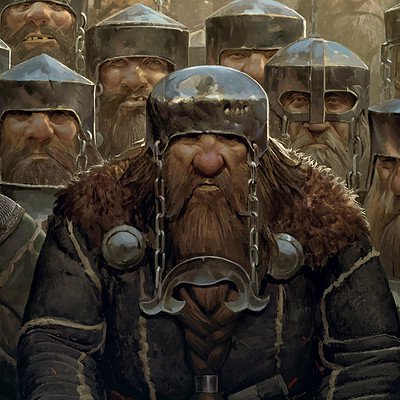
Kirstie stood and got the men to stand. She said little as she and Yrsa took them to the barn. She showed them what she gathered in preparation for this day. “Three large jugs of the finest honey, compliments of the Fairies of the Glen.” She unscrewed the lid of one jug and let them stick a finger in to taste the sweetness before she carefully closed it tight again. She showed them the beeswax to go with the honey before she pulled back a horse blanket and spoke. “Three pairs, six walrus tusks of good ivory, a gift of the dwarfs of the mountains. They said there is plenty more, but I would not let them kill any of the beasts. These are from walruses that died of natural causes. They are from older beasts, and you can see where a couple of them are chipped and this one is missing the tip end. Walruses, you know. They fight each other like men fight each other.”

“This is worth a fortune,” Frode mumbled, but Kirstie was not finished.

“And last,” she said and removed another blanket to reveal a basket of amber. “From Lord Amber and the elves of the woods. This is a one-time deal, but these things go with Yrsa and I, and they go where we need to go.” She paused to let the men calculate how much silver they could get for what they were looking at. “Yrsa and I will be sailing with you, and Frode, I will teach you what I can while we are on the way.”

Captain Stenson did not ponder long. “So, where are we going?” he asked, though he looked at Yrsa and wondered how such a good-looking eighteen-year-old girl might do on a voyage.

“Bremen, in Saxony,” Kirstie answered, and when they got on the ship, she made Yrsa sit in front of her where she could keep an eye on the elf maiden and wondered much the same thing as the captain.

Medieval 5: K and Y 5 The Norwegian Hag, part 2 of 2

Kirstie

As Kirstie squirted away from the men and ran toward the docks, she soon found a couple of fairies overhead and a couple of elves that ran with her. She ignored all of the fighting that went on around her. She hoped she would not come around a corner and find herself in the middle of it. Oddly enough, it never occurred to her to ask Elgar, or Diogenes or the Princess, or even better, the Nameless god to run for her. When she thought of Nameless, she got a clear picture of exactly where the hag was located and adjusted her run accordingly.

She arrived before an open space and saw the hag beside a building that saddled up to the water’s edge. Her men were hunkered down in and around the building, holding back the seventy from the ships that had come to shore. “It’s just a little old lady,” Kirstie said, surprised. One of the elves nodded as she pulled her long knife defender and looked at it closely, wondering how one kills a hag.

The hag started to yell but stopped suddenly. Kirstie saw the head turn and look in her direction. Then the hag began to change. The hag grew and became covered everywhere with hair. She ended up about seven feet tall and let out a roar that would have frightened a bear. Kirstie stepped from her place when she saw Frode and Rune with many men catching up. She stopped when she got struck by an arrow. It bounced off her chain mail, but it would leave a small bruise and she said, “Ouch.”

The fairies responded. That man did not live long, and in fact all the men on that side of the building either died or had to duck where they would be no threat. Kirstie just wondered what her elves were doing when she saw Chief Birger come racing up with some men in his trail. Those men from Strindlos attacked the building from the other side and took many of the hag’s defenders with them into death. Chief Birger attacked the hag and planted his bloodaxe directly in her chest. She scoffed and pulled it out.

“No weapon forged by men can hurt me,” she said, and with lightning speed, the monstrous hag crushed the chief and left his own axe in his own chest.

Kirstie looked again at Defender. She wondered if it would even make a scratch on such a beast. She knew her sword was too heavy for her even if it was not made by men. She did not know what to do.

The elves fired and three flaming arrows struck the hag in the chest. She roared. She felt those arrows not made by men, but then the flames spread, and the hag looked like she became even bigger and stronger. At eight feet, a ball of flame, she roared again in an even deeper, more powerful, and frightening sound.

“Look out!” the word came from over her shoulder. Vortesvin, the mountain troll rushed past her like a cannon ball. He was not quite as tall as the hag, but he was as wide. Kirstie wanted to shout, “No!” but she could not get her mouth to move as she watched, stunned. The hag swung an arm, and Kirstie knew that swing would take even the troll’s head right off, but the troll had ducked. It had no intention of fighting the hag. It tackled her instead, and while she shoved the troll away, she lost her balance and tipped straight back into the sea.

Kirstie heard the scream. It sounded like the old lady screaming as the fire that covered the beast went out all at once. Massive amounts of steam poured into the air, and Kirstie raced forward to see. The elves and fairies came with her to cover her. Frode and Rune and their men came behind, wary about getting too close to a mountain troll. Chief Birger’s men from Strindlos also came from the other side of the building, but carefully. They found the Vanlil stopped resisting and appeared to be willing to surrender.

Kirstie looked into the water’s edge. The monster had turned mostly back into the old lady, but she appeared to be melting. It would not take long for whatever melted hag remained to be carried out to sea and vanish in the deep. Kirstie looked up and saw Lord Amber there.

“Abraxas, son of Janus and Morrigu, born just before the dissolution of the gods, is the god of fire and water. He claims to be a god over good and evil, but no one has seen the good in him. The creature of Abraxas, the hag is empowered by the fire and water. Thus, she must be set on fire first, though it is a dangerous thing if there is no water handy because it makes her much bigger and stronger. The water that follows right away puts out the fire and breaks the bond of life in the creature. They end up melting as you see.”

Kirstie looked up and nodded. “Thank you very much. Thank Lord Bjork and Bellflower. Thank all the elves and fairies, and the dwarfs, though you might tell Booturn if you see him, I am thinking of having words with him.”

The five exiled men at the king’s house slept on the king’s ship, but the fifty Vanlil, not being sailors, camped on the ground around the burned house where they could keep their eye on the men camped in the king’s field. The dwarfs were told that any man who got to the ship should be allowed to surrender, so they moved in first to make a wall between the Vanlil and the ship so none could go there, then they proceeded to chop the Vanlil to pieces. The exiled men on the ship were presently cowering in the bow as far from the dock as they could get while the dwarfs taunted them, called them cowards, and told them to come to the dock so they could get their reward.

Kirstie shook her head and hugged Lord Amber briefly while she told him he better go. “And take that smelly mountain troll with you, please.”

Lord Amber smiled for her and faded from sight until the elves all vanished, taking Vortesvin with them. The fairies were already gone. The dwarfs eventually marched back to the mountains singing some strange marching song, and for nearly a decade after, people reported they could still hear the song echoing in the wilderness.

Mother Vrya caught up with Kirstie on the docks. She said now she had to go to work. Kirstie nodded and traded places with Mother Greta and said she would help, but when it came to the arrow in Kerga’s leg, she had to let Doctor Mishka take a turn. In fact, Doctor Mishka removed plenty of arrows that day, and Mother Vrya and Inga stood right there, looking over her shoulder, learning all they could.

When the day was done and Kirstie finally got to come home, she backed Captain Stenson and Frode into a corner. “Rune, you are no navigator, and Frode, you are a good skipari, but you are not any better as a navigator. My father taught me all there is to know about navigating the seas. I have all of his old charts and equipment and know how to use it. You take your new longship and go on your practice trading voyages, and when you get lost and have a hard time getting home, you come and see me. By then, I should be old enough and practiced enough with my weapons to sail with you and be your navigator. I’ll be ready when you are.” She harumphed at them and walked off without letting them object. They looked at each other and shook their heads, but that was what they did.

************************

MONDAY

Kirstie plans to sail off on an adventure with Rune and Frode, but first she needs to review her father’s notes on navigation, then she needs to learn to use those weapons she is carrying. Until Monday, Happy Reading

*

Medieval 5: K and Y 3 Little Ones, part 2 of 2

Kirstie

All three fairies seemed disoriented at first, but sight of the elves helped to steady them. “Amber?” the older, male fairy asked what was up by saying the elf’s name. Lord Amber merely pointed at Kirstie. Kirstie did her best to sound grown up.

“Lord Bjork. Do you know the disposition of the Vanlil—the Jamts and the exiled men around the king’s house and the town on the Nid River?”

Lord Bjork looked at Kirstie, Yrsa beside her, and back at Amber who waved toward Kirstie as if to say he should answer her. “We saw the men come down from the mountains and thought no good would come of it. We saw many villages on this side of the Trondelag fjord be attacked in the outlying farms. We know the men have moved on to the king’s house and the town, but we do not know how they are disposed.”

“I need to know how they are arrayed,” Kirstie said, or Elgar said it in her head. “Do you have any that can fly there and bring back numbers and maybe give an idea of their plan of attack? I see that you do. Eik and Svator,” she called, and the two younger fairies appeared as if out of nowhere. It took Kirstie a little time to explain what she needed, but she knew they would fly to the river, check on the enemy, and be back by the night meal, possibly before the men from Oglo and Frosta arrived.

Kirstie looked again at the patient dwarfs, a most unusual sight, and the elves that might stand there for days if needed. “I don’t know if it is right to ask for your help. I don’t even know what the men will be facing. I do not know how the battle may shape up, but if there is a place for you, I will not forget you.”

Lord Amber nodded that he understood. “The gods don’t make promises,” he said to Booturn who reluctantly nodded and let out a great sigh.

“In the meantime, Lady Bellflower, may I borrow your daughter for a while? Buttercup, would you like to be friends with me and Yrsa?”

“Yes,” Buttercup said quickly and a bit loud.

“With your mother’s permission, of course. You girls can meet my human guardian, Inga. She is very nice. You will like her. And we can stay among the Witcher Women tonight if you don’t mind.”

“And Mother Vrya will be there?” Lady Bellflower asked.

“Yes. Certainly, for the night,” Kirstie answered.

“Then I am sure it will be all right. Lady Kairos.” Bellflower offered a mid-air curtsey, and Kirstie noticed understanding came to Lord Bjork’s face, like he was not sure.

Kirstie stood in leggings and did not know how to curtsey, so she bowed. “And thank you Lord Amber and you too, Booturn for saving our lives.”

Booturn groused. “We would have if the skinnies had not interfered.”

“Well, thank you anyway. Meanwhile, we need to get back. Inga is probably worried about me. Buttercup.” Kirstie tapped her shoulder and Buttercup shouted, “Yes!” and Kirstie imagined this time the fairy pumped her little fist in the air as she zoomed up and took a seat, tugging only slightly of Kirstie’s hair to get comfortable. Of course, it was impossible to tell with a small fairy seen from a bad angle.

Yasmina

Yasmina spent that whole week moping and worried. She mostly stayed in her rooms and in her bed. Sometimes, she walked in the garden. Sometimes she went up on the wall to look down on the town and the marketplace, what she could see of it. Sometimes she went to the latticed windows and watched the soldiers and the comings and goings in the courtyard of the palace. Sometimes she wandered the halls of the harem looking sorry and lost. Mostly she stayed in her rooms and moped and worried.

She made a couple of friends among her father’s concubines, but they were mostly older, like Inga’s age, and hardly friends with a ten-year-old. They were good to ask what was wrong, but she could not tell them. Sometimes the slave girls who served in the kitchens and brought food to her room, and the maids who cleaned and straightened all the rooms asked, but she stayed silent. Every day after working out with the harem guards and assigning their duties for the day, al-Rahim asked what was troubling her. She just shook her head against unauthorized ears.

“Princess. I will be here if you need me or wish to talk about it.”

Yasmina knew that and hugged the man for his faithfulness.

Yasmina’s mother came twice at the end of the week. But it was no good. Yasmina would not snap out of her mood, and she would not explain it.

Finally, a young maid came to her with a snack for the afternoon. She placed the snack on the table and did something most unusual. Instead of offering a bow and exiting to return to the kitchen, or even asking what had Yasmina so worried and anxious, she quietly sat on the floor, lowered her eyes, and waited for Yasmina to speak.

Yasmina looked before she stared and squinted at the girl. When she spoke, it was one word. “Yrsa?”

“I am Aisha,” the maid said. “Yrsa is my distant cousin.” Yasmina sat up and her eyes went wide as Aisha began to tell her story. “One day, there were two brothers in a place called Kyiv. One felt the call of the cold, snowy north. He loved the winter, and he wanted to find the source of the Amber he cherished. The other felt the call of the warm, dry south. He loved the summer, and he sought after the emeralds that fascinated him. The brothers also loved each other but they heeded the call on their lives. They hugged and one went north while the other went south.”

“Wait a minute,” Yasmina made her pause. “When are we talking about? Kyiv has not been there that long.”

“Not as Kyiv,” Aisha agreed. “But there has been a village of one sort or another there for ages. I am speaking of the days when the Kairos Flern first brought the bronze making to the steppes.” She paused to let Yasmina process what she was saying. “The brothers left the area around the Caspian Sea and followed the army of the east when it invaded the west.”

“But…” Yasmina paused to calculate, and she heard for the first time from the Storyteller who estimated the year. “But that was 4400 years ago, SE—Storyteller’s estimate.”

“It was,” Aisha agreed, and smiled her relief. She would have been in terrible trouble if she mentioned something from the Kairos’ past that the Kairos herself could not remember. That was the law from ancient times. “Yrsa and I are the tenth generation since the brothers went their separate ways. I did not know I had a cousin in the far north, but Yrsa put together the clues in Kirstie’s early years. When Kirstie left… When you were born, Yrsa reached out to this place and confirmed her feelings. Her father, Lord Amber, and my father, Lord Emerald made contact over that long distance. The blood ties are still strong. And at that time, I came to work as a maid servant in this house, though this is the first time I have had a chance to see you with my own eyes.”

“Well…” Yasmina did not know what to say and could not speak through her sudden tears in any case except to say, “I am so afraid for Kirstie.” She began to weep.

“Lord al-Rahim,” Aisha called, and the man came from the other room where he listened behind the crack in the door while Aisha moved to sit on the bed, hug Yasmina, and cry with her.

“Princess. Why are you so afraid for Kirstie?” Al-Rahim asked kindly, no longer questioning the connection between his princess and the yellow-haired girl from the land of the Vikings. He certainly knew who the Vikings were.

Eventually, Yasmina got out the words. “She is my age, just ten, a young girl, and she is going into battle. Her home is invaded. She is leading the men. Things got complicated. She has weapons but does not know how to use them. She has no teacher. And worse. She is the one who has to fight the hag. A terrible monster. Tall and wide as that doorway. Strong as an ogre from the mountains. Faster than the imps of the desert. More powerful than the great genie, the marid of all genies. I am afraid she is going to get herself killed. She thinks that too, and there is nothing I can do to help her.”

“We can pray for her,” al-Rahim suggested.

Hours later, well after the sun set, Yasmina, Aisha, and al-Rahim sat around the table eating and laughing. Yasmina’s mother and father entered the room to this pleasant scene and stopped in the entranceway with questions on their faces.

Al-Rahim jumped to his feet and stood at attention. Aisha slipped to the floor and got to her knees her eyes humbly lowered in the presence of the Lord of Mecca. Yasmina also jumped up and ran to hug her father. She hugged her mother while her father spoke.

“Captain?” he looked at al-Rahim.

“We have resolved the princess’ troubles for the moment, but there are a few conditions.”

Yasmina let go of her mother, took two steps back and spouted. “I want a horse, two horses, me and Aisha. I have taken Aisha as my personal maid and companion, and we want to learn how to ride.”

“Baby.” Mother called her that sometimes when she got all parental and Mother knows best. “Girls do not ride horses. They are carried in a proper litter.”

“I want a horse,” Yasmina raised her voice, but just a little. “What is more, al-Rahim has promised to teach me and Aisha to defend ourselves. You know, a girl can’t be too careful in this world.” Mother was not buying it, so Yasmina looked at her father. “Please, daddy.”

The Lord of Mecca glanced at al-Rahim who nodded slightly. He turned to his daughter. “I’ll see what I can arrange,”

“Baby…” Mother started in again, but Father took her hand and dragged her from the room before she could say anything. Aisha and al-Rahim both exhaled.

Medieval 5: K and Y 3 Little Ones, part 1 of 2

Kirstie

Kirstie spent the week climbing the nearby hills and walking through the edge of the forest. Inga stayed with her most of the time and would not let her go too far into the woods, but sometimes Kirstie escaped so she could spend some time alone. She had a great deal of grief to work through and could only imagine that once again men were going to get killed on her insistence.

Kirstie also spent some of that week beginning to familiarize herself with the various weapons that came with her armor. She did not think good thoughts about the Vanlil or the exiles leading them. She decided that having weapons was a good thing because she would not have to beg someone to make her weapons. All she would have to do is beg someone to teach her how to properly use those weapons.

The sword Salvation was a bit heavy, but she liked the long knife, Defender. She found she also had a spear, a shield, a helmet, a beautiful bow with plenty of arrows, some of which were silver tipped, and some other odd weapons of every sort. She also had a small knife that fit down alongside her boot, and a hatchet she called her tomahawk. Best of all, she had a genuine Viking battleaxe she could take into battle. It was a one-handed axe. She needed to be able hold her shield with her other hand, but honestly, at her young age, it took both of her hands to hold the axe steady. She also needed to learn how to swing it less wildly. Inga made her walk down the road to practice, far away from the house and the old women in case it slipped out of her hands, which it did a couple of times.

On the morning of the fifth day, Kirstie escaped her watcher and headed for the woods. Men from Varnes came the night before. Men from Oglo and Frosta were on the road and expected in by nightfall. There was much excitement in the village, and Inga with the Witcher Women and plenty of volunteers had to work hard to see all those men housed and fed. The report was men from Olvishaugr, and even further north were coming by boatload. Clearly, all the villages along the east side of the fjord had been raided, and Strindlos was not the only place where women and children had been killed.

Mother Vrya, Chief Birger, and Captain Kerga, with the future Captain Rune Stenson were all needed to see all those men were properly taken care of, so Kirstie was able to sneak out. She felt nervous, knowing the men were all there because of her, well, because of Elgar. It was his plan, and the spies sent to the river Nid were not due back until morning. If the exiles and Vanlil were not gathered there, she would be in big, big trouble.

Kirstie came to a small clearing near the edge of the woods and only realized when she sat down that it was the place Father Fryer met her. The ash that had been trees had all blown away on the wind. The ground was hard since it had not rained all week, but here and there it showed signs of grass and weeds growing. Kirstie began to cry. She cried for her own father, buried in some distant land where she would never see him again. She cried for her mother, and her baby sister who would never grow up. She cried for Dorothy, and her farmhands who were such kind and hard-working men, and always good to her. She cried for her puppy.

“Why are you crying?” Kirstie heard and looked, half expecting to see Edelweiss. Instead, she saw a young woman about Inga’s age of eighteen standing in the shadow of the trees. The woman had small tears in her own eyes. Kirstie looked closely and realized this was one of the little ones Father Fryer mentioned. Then she knew the girl’s name, though she could not say how or why she knew.

“Yrsa,” she said. “You can sit with me and cry with me if you want.”

Yrsa looked startled that this human should know her name, but quickly she decided, “I will.” She sat next to Kirstie and they both cried while Kirstie tried to explain the reason for her tears.

“My father and mother are dead. My baby sister who barely knew three years of life is gone. My friends, the thralls who worked so hard on the farm got killed, and my house burned down, and the barn. I don’t know where the livestock has gone. I have nothing left.”

Yrsa hugged her and said, “I can be your friend, so you won’t be alone.”

Kirstie nodded and wiped her eyes. “Come on,” she said. “We will go to my home to see what has become of it.”

“Oh, but I am not supposed to leave the woods. Father said so.”

“Your father Lord Amber?” Kirstie knew. “I’ll explain it to him. I am sure it will be all right.” She took Yrsa’s hand and brought her to her farm wondering the whole way how she knew their names. Greta spoke to Kirstie in her heart that she was the Kairos, and they all belonged to her.

“What do you mean, belong?” Kirstie wondered out loud. “People belong to themselves, don’t they?”

“You are responsible for the elves light and dark, and the dwarfs in between. The sprites in the sky, in the sea, and in the fires under the earth.” Greta answered. That did not really explain it.

Kirstie could only think, I’m too young. At my age I’m not even allowed to be responsible for myself.

They arrived. It was not that far away since Kirstie had been thinking of going there when she found Fryer instead. She saw three men poking around the ruins, and thought to hide behind the bushes, but Yrsa shrieked on the sight of the men, and they noticed.

“You there. Come out from the bushes.”

Kirstie came slowly, still holding the older girl Yrsa’s hand. Kirstie knew these were men from Trondelag, not Vanlil, because she understood their words. She imagined they were from Varnes or further north.

“What are you doing here?”

Kirstie squeezed Yrsa’s hand and felt bold. “This is my farm. What are you doing here?”

The man smirked. “We left some prime livestock here when we came before. We came to fetch it to feed the men. We figured no one would be here after a week. I though we killed all the people here.” The man pulled a big knife and the other two joined him.

“Father!” Yrsa called to the wind. The call would have traveled for miles, but Lord Amber was closer than she knew. He came from one direction with several undisguised elves. A true mountain dwarf came from the other direction with a good dozen dwarfs, all hefting weapons, hammers, and axes, that looked too big for them.

The men’s eyes grew wide as they looked in one direction than the other. They started to run in the only direction not covered. They did not get far. The dwarfs roared and attacked, but the elves were quicker with their bows. The men all fell with several arrows in each.

“Damn it, Amber.” The chief dwarf, Booturn yelled. “They were ours.” One dwarf chopped a head off a dead man just on general principle.

“Just protecting my daughter,” Lord Amber said, and pointed at Yrsa.

Booturn tipped his hat. “And a human friend, I see. Surprised you let her be friends with a mudder.”

Lord Amber gave Yrsa a hard but curious look and Yrsa got ready to explain in good daughter to father fashion when Kirstie interrupted the father-daughter game. “Yrsa has said she will be my friend and I have taken her up on that offer. We are going to learn our weapons and in particular the bow and arrows. We may even go hunting. I will undoubtedly go hunting in a few years, but that will be aboard a ship, so she can come home then, for a while, if she wants. Meanwhile, what are you doing here?”

Lord Amber raised one eyebrow while the dwarfs stared, a couple with their mouths hanging open. “And who are you to be asking?” Booturn spouted.

“This is my farm, or it will be when I fix it up. I will rebuild the house and the barn, get some new livestock, and harvest the field which is already planted.” She paused to look at Yrsa and scrutinized Lord Amber’s face. “Yrsa and I can put a target on that tree there for target practice. I’m sorry, but it is the duty of certain elf maids to become good with a bow and arrows. Now, be good and maybe someday you will have a son to go with your daughter.”

Lord Amber looked surprised, then shocked, and finally resigned. He went to one knee and the elves with him followed his example. He said, “Lady Kairos.” Booturn and a couple of dwarfs who were more with it whipped off their hats, and Booturn spoke right up.

“So, you are gathering fighters in the village. I’m guessing you are going after the Jamts and escaped men that came over the mountains and have been attacking places, like your own farm.”

Kirstie nodded but kept her mouth closed.

“Er… So, any chance you might have a place for a few dwarfs in your battle. We could stay hidden and maybe back you up some if you wouldn’t mind. We would not mingle with your men. No need to even be seen. We would be careful.”

“Dwarfs, careful?” Kirstie, young as she was knew that was a fib. Lord Amber had to cover his smile and one elf let out a small laugh.

“Well, we would not get in the way, and you can count on us. No tellin’ that maybe the humans might run away once the fighting starts, no offence.”

“I’ll think about it,” Kirstie said, and felt she had to acknowledge the elves. “Please get up. I’m just a young girl and much too young for all this responsibility.” Kirstie could not keep the worry from coming to her face.

Lord Amber stood, but being empathic as elves are he asked, “What is troubling you?”

“I wish I knew what was happening in Hladir and Nidarosss. I guess it isn’t called Nidarosss yet, but I don’t suppose you know.”

Lord Amber shook his head. “Bjork might know,” he said.

Kirstie nodded. She suddenly knew who Bjork was, along with Missus Bellflower and their daughter Buttercup. She knew Buttercup and Yrsa knew each other and might be friends if given a chance. She called all three at once, and the three fairies vanished from wherever they were and appeared on the farm. Kirstie felt shocked by that. The elves and dwarfs less so.

Medieval 5: Elgar 9 Odda and Ubba, part 2 of 2

With the dawn, Ubba’s  commanders urged him to overrun the town, but at the same time, Ubba’s spies returned and reported. “They did not lay in any supplies and food. They don’t have any fresh water in the fort.”

Ubba turned to his commanders and smiled. “Why waste our men and blood? We have the gates blocked. We can wait a week and starve them out. Meanwhile, we can send out scouts to survey the area, west, south, and east. Let us see which way we can most easily move to enrich ourselves.”

“We had a good thing in Dyfed.” A man named Carlson complained. “Why did we come here?”

“Because.” Ubba retorted. “Guthrum has some five thousand men in his army. I am told Wessex can just about match that number. But an army cannot be in two places at once and right now they are focused on Guthrum. We can pick Devon clean and maybe Somerset, at least the western half of it and leave before Wessex can send any serious opposition. Then again, if Guthrum succeeds, we are safe here in the west end of Wessex to do as we please.”

“We have much to gain and little to lose if we play it smart.” One commander understood.

“Devon has not been in West Saxon hands for very long. They probably can’t raise much of an army. If we are patient, the men in this place will surrender when they get hungry enough and then Devon will be ours for the taking.” Ubba set about securing the siege on Countisbury and the fort while he selected the men to send out to scout and get a good grasp on the lay of the land. Those plans got interrupted when they saw men coming from the east.

Ubba’s men hurried to fortify that side of his camp. When he managed a count, he decided they only had three or four hundred men. “Probably the coastal watch from west Somerset,” Ubba said. “I don’t know how they knew we were here to come running, but it is a gift for us. We still have twice their number if you count them and the men in the fort together, and they are divided. It should not be hard to kill off one and then the other, and the coast of both Devon and Somerset will be ours for the taking.”

It sounded good in theory, but the dwarves picked up a second hundred coming through the Brendon Hills. Somehow, they got around Gwyn and his men and headed toward the coast and the twenty-three longships there. They had in mind first to make sure the Vikings had no means of escape. They figured with the ways east and west blocked by men, the Vikings only had the south as an escape route. They and their axes would happily chase the Vikings all the way to Dartmoor if necessary.

The Dwarfs with some judicious arrows from Pinoak’s people made short work of the hundred Danes Ubba left to guard the ships. Then they turned their axes on the ships themselves, though they mostly cut the anchors and shoved the ships out into the water. The water sprites in that area dragged the ships into the deep water where Ubba’s men could not get at them, and the dwarves were able to turn and face the Vikings in case Ubba sent his men to save the ships.

Ubba quickly turned his eyes toward the south, but he found no escape in that direction as the main force from Devon, about nine hundred men formed a wall and moved slowly forward. Ubba yelled. “Form up. Form the line. Make the wall. We can win this.”

“I hope,” Carlson mumbled.

Gwyn and Osfirth linked up and between them, they matched the Danes in numbers. it was a bit over twelve hundred Saxons and Celts versus a bit under twelve hundred Danes, and the Danes did not have time to set their order and keep any in reserve.

Copperhand yelled at the Vikings but he kept his dwarfs back from the men. Pinoak got the word that the Dwarves had come out of their place and what they were doing, and he told Elgar. Elgar yelled, but then he settled down and gave himself a massive headache, projecting his thoughts all that distance to Copperhand and whatever other dwarves might be listening.

You had your fun. You can stay back and prevent any Vikings that may try to escape down the shore or maybe try and swim to the ships, but let the men fight their own battle. Most of your people can’t tell the difference between Saxons and Danes, and if you start killing my Saxons I will be very angry.

Copperhand yelled back, but he kept two long ships intact as enticements to Ubba’s men, and in the course of the battle, there were some that made the attempt, so Copperhand and his got to chop up some Danes. They were not entirely disappointed.

Gwyn and Osfirth had mostly farmers and fishermen in their ranks. That just meant they had strong arms, backs, and legs. They could push a spear of swing a sword as well as any man, and hold their shields up all day long, but the Danes had mostly veterans of many battles. They had all the battle experience on their side and had learned some lessons the Saxons hardly imagined. Though the sides were about even in numbers, there seemed little doubt that the Danes would win the day, that is, until Odda moved.

Odda picked up another hundred men in Countisbury, plus he had a hundred or so men in green that he knew were Elgar’s people. They were in fact Pinoak’s fairies and a contingent of local fee, elves, gnomes, and such that manifested to help out. Odda knew if the Danes won the battle, he would be stuck with no food or water. He did not imagine he had any choice. He and his men charged out of the fort at the back of the Danes and hit them in the rear with five hundred new swords and arrows, The Danish line shattered.

Three men in their fifties ran with Odda and knocked him down. They knocked him down three times before the old man did not have the strength to get up again. He laid there in the grass and threatened the men. Those men understood, but they hovered around the seventy-year-old to protect him from the battle. In the end, Odda sat up and asked.

“How did we do?”

“Complete victory,” one of the men said. “Our losses were light. They lost their whole army. We have about four hundred prisoners.”

“Ubba?” Odda asked.

“Found. Dead,” the man said. Odda nodded, and two of the men helped him back to his feet.

************************

MONDAY

The story of Alfred and Guthrum comes to a different conclusion. Until then, Happy Reading

*

Medieval 5: Elgar 9 Odda and Ubba, part 1 of 2

When Alfred reached the fortress of Athelney, Elgar limped out to greet him. “No way the Danes will find you here,” Elgar said. “The island is mist covered on a regular basis, especially in the colder months, and you have to know where to put your feet to not be swallowed up by the quick mud or sunk in a pool of brackish water.”

He looked to see that his wife Alfpryd and his youngest daughter Alfflaed welcomed Alfred’s wife and children with open arms. Poor Elgar was fifty-eight, about as old as he sometimes lived in the old days. His legs were giving him trouble, but he was as ready as ever to fight, at least as much as he was able. He introduced the sons of his brother Eanwulf, the elder of which was technically the ealdorman of Somerset. Alfred knew them. Elgar also introduced his own son, still technically a teenager, though he seemed full grown enough. Then he showed off the fortress and sat Alfred down for some food and talk.

“Rest later,” Elgar said. “I don’t know what you may be thinking but your people are loyal and ready to fight when you give the word. I have talked with Osweald in Dorset and old man Odda in Devon. The man has to be near seventy, but Osfirth, who is my age, is in much better shape than I am, and Gwyn, who is on the Somerset coast is only a couple of years older than Osfirth and ready to fight. Osric is holding on in Hampshire, and Ethelwulf has Berkshire well in hand. Your thegans are firmly with you, not liking the idea of Danish overlords.”

“And how do you know this?”

“Spies. My spies who are loyal. Wulfhere is an outlier. He does not even speak for most of Wiltshire. I’m sorry I lost Tata, but his brother Ian of Eddington is ready to call up his men when you are ready.”

“Ian?” one man asked.

“My sister says it is the Old Anglish version of John from the Bible.”

“How about now,” Alfred said and raised his voice a little. “I am ready now.”

Elgar let the silence that followed the outburst play out before he shook his head. “No. You are not anywhere near ready, and I did not bring you here to this safe haven just for an overnight. We need several months at the least to plan our moves. We need the armies from the frontier shires of Somerset, Dorset, and Devon to meet up and move together. The men from Hampshire and any they can get from Sussex need to join together. Berkshire and I don’t expect much from Kent. They are having a hard enough time just holding their own, but certainly the men from Surrey need to Join Berkshire. That is three armies, and they need to move on the objective at the same time and arrive together.”

“Chippenham, and before Guthrum and Wulfhere move in the spring,” Alfred said.

“Not realistic,” Elgar said. “But we should be able to face the Great Heathen Army sometime in the spring, and in Wiltshire. In the meantime, let me show you what we can do to disrupt whatever plans they may be making. In the future, it is called guerilla warfare.

~~~*~~~

Elgar neglected to tell Alfred that he had gotten word of the backend assault on his people. Ubba, son of Ragnar Lodbrok was preparing to leave Dyfed in Wales and come ashore somewhere between the Parrett River and Pilton in Devon. He had arranged with Guthrum to pillage Devon down to Exeter, then follow the main road through southeastern Devon to the back end of Somerset at the Parrett River. From there, he could pillage Somerset or Dorset as he pleased. Of course, Ubba would decide for himself what he might do, and that might involve ravaging the coast to the Parrett River and then raiding up the river. He might ignore Devon altogether, or maybe give it back to the Cornish.

Eanwulf’s old friend Odda, near seventy years old, built the coastal watch from scratch back in the day. He got word that Ubba was coming and wanted to catch him on the shore. He personally took charge, and made the younger man, Osfirth set about gathering the fighting men of Devon so they could move as soon as they got word from Alfred. Of course, Osfirth, the younger man was near sixty himself.

Starting in Pilton, Odda followed the Danish sails down the coast toward Countisbury on the Somerset border. He had three hundred men gathered by the time he reached Countisbury and he imagined that might be twice what the Danes had. He had gotten used to raids of two hundred or maybe three hundred Danes and thought this would be the same. With another hundred raised in Countisbury, he would have half again the numbers of the Danes he expected. Then again, if the Danes landed in Somerset, he could bring his three hundred down the coast to Carhampton, as the case may be.

Osfirth and Gwyn had a better idea what they might be facing, or maybe they thought it through. Osfirth, as soon as he gathered the army of Devon, about eight hundred men, he moved north, stopping in Crediton and again at the western edge of Exmoor. He arrived one day after Ubba landed twenty-three ships and twelve hundred men. Odda, not having nearly the men to meet such a force, retreated to the town and the fort of Cynwit.

At the same time as the Danes turned their ships to the shore, Gwyn set out from Carhampton where he had gathered his three hundred of the Somerset coastal watch. Since he was getting his messages from a fairy, one of the ones assigned by Pinoak to watch the shore, it did not surprise him when he got told that Copperhand and a hundred dwarfs from the Polden Hills were following.

“I have no power to stop them following,” Gwyn told his commanders over supper. “I just hope they don’t get hurt. Elgar would not be happy.”

“I hope we don’t get hurt,” one of the commanders said, and the others laughed nervously.

Medieval 5: Elgar 5 The Parrett River, part 1 of 2

Osfirth and Gwyn had the men of the coastal watch, nearly three hundred, spread through the woods around the Danes where the Danes were building earthworks against the expected enemy. One hundred of the three hundred were on horseback so they could be moved rapidly to different sections of the line and hopefully appear like more than they really were. Their job, with Deerrunner and Pinewood and their people all dressed in hunter green, was to keep the eighteen-hundred Danes in forty-two longships bottled up in the Parrett River mouth where it ran to the bay in the Bristol Channel. The old Romano-British hamlet of Combwich was held by the Danes at the back of the Danish line, where they also controlled the ford they might use at low tide, if needed.

The Danes built an earthen work wall as a redoubt against the Saxons, especially if they came up with those men in green cloaks who were remarkable archers. The leader of the Danes was no fool. Lodbrok barely survived Hingston Down and lost nearly half his men. He respected the Saxons on horseback, as well as the men in green. He would strengthen his position and wait for the Saxon foot soldiers to come whom he did not respect at all.

Some believe the Danish invasion of the Anglo-Saxon kingdoms began with the arrival of the Great Heathen Army in 865, and especially after the Great Summer Army reinforced them in 871, but most believe it started earlier, in 850 when the exaggerated number of 350 longboats arrived at the estuary of the Thames, and with the advent of Ragnar Lodbrok. But the truth is the landing on the Parrett River in 848 was the test case. The Danes, and Lodbrok’s son learned some things there and came away with respect at least for the army of Wessex, a lesson that got underlined in 851, in Surrey. That allowed King Alfred, years later, to pay off the Danes and negotiate a withdrawal from Wessex Territory which gave Alfred enough breathing room to eventually win the war. But that came later. In 848, about the time Alfred was born, the Heathen Danes came to the Parrett River, and something else came with them.

“Flesh Eaters,” Elgar named them.

“They are not even making an effort to hide,” Marsham said.

“They have an invisible shield around them, er, screens,” Reed explained. “I can sense them and the others who have been watching have mentioned it. It is strong enough to stop arrows and javelins and can even stop men and horses from getting at them.

Elgar pushed up to look from behind the bush. “You know, we had five years of peace and quiet. Too bad it could not last.”

“I understand your wife had another girl.” Pinoak, Pinewood’s son said.

Elgar rolled his eyes. “We had a son, but he died at two months when I was down in Carhampton checking on the fleet of longboats that eventually turned north toward Gwent and Cardiff. Nothing anyone could do.” Elgar sighed. “We had the girl after that. Alfflaed. So now I have four little Alfs. Wynn, Swip, Swith, and Flaed, that is Joy, Strong, Swift, and Beauty.”

Marsham interrupted with a thought. “They are an ugly people.” Elgar almost made a quip about Marsham insulting his daughters, but he knew what Marsham meant. He was talking about the Flesh Eaters.

Elgar examined the Flesh Eaters as well as he could from his distance and finally figured out what looked so wrong. “Their heads are too big for their bodies. Their bodies are skinny as an elf if you will pardon the expression. It is a wonder their little necks can hold up such big heads. And their mouths are too big for their big faces. They have almost no noses between the eyes. Just mouths.”

“And their tongues keep shooting out like a snake,” Pinoak added. “Why is that?”

“Smelling what is in the air,” Reed told him.

“Little noses,” Elgar thought to explain a bit. “Much of their sense of smell is in their tongues, as you said, like a snake. They can smell when there is blood nearby. They suck the blood first before they eat the flesh. I’m surprised they have not smelled me.”

“No, Lord,” Reed answered. “We are downwind.”

Elgar nodded as he said, “We should go before the Danes find us here behind their line.”

They returned to their horses that were tied in a small wood where they hopefully would not be found. They rode along a narrow path just over the rise in the land where the Danes would not see them, and got back to their own line without trouble, but Elgar had a thought.

“Pinoak. You need to keep your young fairies on the rise in case Lodbrok figures out we can get around behind his earth works and sends men to get around behind our line instead.”

“Lord,” Pinoak agreed and flew off to organize the watch. Marsham and Reed reported back to Deerrunner, but Reed shared a thought first.

“Copperhand and his dwarfs from the Polden Hills are not happy at being left out of the battle order.”

Elgar nodded but said, “I need them on the other side of the river so when we drive the Danes in that direction, they will be able to stop the Danes from escaping across the water. Copperhand and his people need to stay away from the longboats, but they can take any men foolish enough to try and swim the river.”

Elgar and the men of the watch kept the Danes in Combwich for three days before Eanwulf and Osric showed up with the army. Eanwulf and Osric brought six hundred men each and plenty of wagons to supply the men. The Bishop of Sherborne came along with an additional three hundred men, and mostly soldiers this time, not just monks and priests. With Elgar’s men from the coast, they matched the Danish numbers, but no more. Only Elgar’s nearly two hundred men in green gave the Saxon side the advantage, but Eanwulf and Osric knew them as men from the wilderness, excellent hunters with a bow, but not inclined to go face to face with the Danes.

It was late in the afternoon and the Bishop wanted to attack right away. Fortunately, common sense prevailed when Elgar spoke. “Your men are tired. They need a good night’s rest and good food in the morning so they have the strength to fight for as long as it takes. The heathen men will not attack until they send out scouts and spies to get an estimate of our numbers. They will wait the night and prepare for an attack in the morning.” Then Elgar put his brother on the spot. “Have you found men willing to hold back in reserve when the lines first meet?”

Eanwulf frowned and looked at Osric who added his frown. “We have each ordered a hundred men to wait. That is two hundred and the best we can do. You know, it is unnatural for good men to wait when the fighting begins.”

Elgar understood. “But twice we have seen it is what the Danes will do, and twice at Carhampton they have broken our line with their fresh men. Unless we have men to strengthen our line when the Danes send in their reserves, we will just find our line broken a third time.”

“I understand,” Osric said. “And how many of your three hundred will you be holding back?”

Elgar had to think how to say it. “My men know their homes and families are in the most immediate danger if the Danes gain a foothold in this place. They will not hold back but will fight like berserkers, but then, I have something special in mind. They know the land and have spotted a weakness in the Danish formation. I plan to take the hundred men on horse along the ridge above the Danes and fall on their flank—their side and back corner at the right time, much like we did at Hingston Down. I also have some men in green, hunters, who have agreed to drive the Heathen men from Combwich, and with whatever men they can get from the village come up behind the Danes with their arrows.

“That will still leave the river as a way of escape,” Eanwulf was thinking.

Elgar shook his head. “Any who swim the river will not survive on the other side. Trust me on that. Their only hope will be to go back to their ships and leave this land. Assuming everything goes to plan. Your job will be to hold the line. If our line collapses before we are in position to attack, this won’t work. Let Lodbrok throw his reserves in first and wait. That will be the most difficult time but keep the line. Deerrunner and Pinewood both have a good sense of how this works having seen it work in many battles. Wait and push in on the river side with the reserves when we are ready.”

“On the river side?” Osric asked. “Won’t that make the other side weak, especially if they are ready to pull back.”

“It will,” Elgar said. “But that is the side where we will hit them with our cavalry. Hopefully the Danes will be thrown into confusion and that should encourage our men to hold. That is the plan, anyway.”

Medieval 5: Genevieve 5 External Attacks, part 4 of 5

One pirate ship on Otto’s side pushed to the riverbank and quickly unloaded, thinking they could break through the line of archers and join up with the two hundred and fifty marching up beside the river. The last two ships in the back of the procession, saw what was happening and began to back-stroke. The current helped them, and they soon got out of range. Margueritte let out another quiet “Damn.” Nearly half of their ships will escape, and we still have a small army of pirates on the other side of the river.”

“No, Lady,” A fairy said as she fluttered up close on butterfly wings. “Leodek the dwarf brought his whole troop of a hundred down from the Alpilles. A hundred gnomes of Camargue brought their bows. And my people are not so many, but we brought our bows as well. The pirates stopped moving and looked for cover when the arrows began to fly. They panicked when Leodek and the dwarfs charged, though I think it was mostly the three ogres and the mountain troll that really caused the panic.”

“Yes, Lady Tamarisk,” Margueritte said, knowing the fairy’s name without having to hardly think about it. Margueritte tapped her shoulder, and the fairy beamed for joy at the invitation and carefully came to sit on the shoulder, hardly tugging at all on Margueritte’s hair to get comfortable, while Margueritte moved slowly to where she could see how things went.

“Well,” Lady Tamarisk continued. “Some of the pirates got chopped to little pieces. I cannot lie about that, but I did not have to watch. Some tried for the river. Maybe they wanted to let the current take them away from the slaughter, or maybe thought to swim across the river if they could. But every one that went in the water got pulled down into the deep and never came back up. That is sad. Some ran back the way they came. I think they escaped, but I am not certain.

“And the shipload that attacked the other side?”

“They were stopped. Some surrendered. A few got close to the slaughter and decided to turn around and surrender. I guess they decided it was no good trying to surrender to a berserker dwarf or an ogre.”

“No. That would not have worked.” Margueritte took a deep breath and thought hard to Leodek, the dwarf chief, to make sure he let the men go that ran away. He protested, but only a little.

She approached the men in the three front ships and the two ships that edged up to the riverbank on her side, one being before the blockade and the other being beyond. Her four hundred surviving soldiers had nearly a hundred and fifty prisoners. She imagined Otto saved most of his hundred and fifty and maybe had fifty more prisoners. She also imagined there might be two hundred pirates and five ships where the river met the sea, and they would escape. It was a terrible toll for the pirates to lose more than half their ships and more than half their men, but you never know with pirates. All it might do is make them plan more carefully next time, and maybe not try to bite off such a big target.

“Thank you Lady Tamarisk for your information. I am sorry there are so many men around here. Maybe you should return to your troop. Please thank them all for their help and thank the gnomes too.”

“And the dwarfs?” Lady Tamarisk asked.

Margueritte sighed as she nodded. She blinked and missed the sight of the butterfly that flew from her shoulder. Her eyes were taken by the vision before her. It was Leibulf. He found her at the edge of the river. He came up, his sword drawn and dripping with blood. He looked painted with blood, and he was smiling. Margueritte could not hold back the tide. Genevieve yelled in Margueritte’s head until Margueritte relented and let Genevieve return to her own place and time, and right in front of a bunch of men. Genevieve immediately slapped Leibulf hard on his cheek and turned her yelling on him.

“Men died. Maybe bad men, but they died. I don’t ever want to see you smiling about killing. Not ever. You owe God an apology. And you owe your father an apology as well. You did your duty. Good for you. But you were not supposed to even be in the fighting.” Genevieve found some tears, and no one disturbed her in her grief. Leibulf gave her a quick hug and wisely went to find his father.

Genevieve sat right there on the ground overlooking the river and thought of nothing. She decided her armor felt really comfortable, even when she was in her eighth month. She might wear it more often, but then she might just get some fairy weave that she could make to look like a dress. Fairy weave had the remarkable ability to stretch to fit and be comfortable no matter how big she got, not that she could exactly be comfortable in her eighth and ninth months, regardless. She remembered from last time.

She had to get a passing soldier to help her up when she saw someone she recognized. It was not who she expected, but it was also no surprise. She followed behind the man who walked trapped between two guardsmen, a lieutenant of sorts leading the way.

They stopped short of Otto, who was presently instructing the men in the cleanup of one ship stuck on the riverbank. Genevieve thought of converting the pirate ships to merchant vessels, but they would have to be pulled up into dry dock and given a good look. Some appeared hardly better than salvage.

The prisoner who stood between two soldiers looked around when Otto turned to them to listen. The lieutenant spoke.

“This man claims to be friends with your wife, from Breisach. He claims to be a poor merchant whose ship got caught up in what he thought was a trading expedition. He swears he did not know they were pirates. He says they killed most of his crew and replaced them with wicked men. He says the only reason they kept him alive was because he knew his own ship and could navigate.”

“Please. You have got to believe me…” the man begged, and Genevieve remembered the grating voice as she recognized the man. He was older, perhaps older than Otto, but not so changed that she would not know him.

“Liar,” she shouted.

The man spun around and shouted her name. “Genevieve!”

“Signore Lupen.” She named the man. “You have been a liar from the beginning.”

“No. You know I am quick to take advantage of the chance to make money, but legitimate money. I did not know these men were pirates. I swear.”

“Liar,” Genevieve repeated herself. “Is Antonio with you, and Baldy, what’s-his-name.”

“Berlio? No, they are home, looking at other venues.”

“Charles is not here,” she said abruptly. He tried not to grin, but it was enough to convict in Genevieve’s mind.

Mister Lupen looked down at the ground and muttered very softly, “Mercy.” The guards loosened their grip and he sipped a knife from his sleeve. The guards were not that lax, however. He did not get far, and one of the men in the crowd that gathered to watch hit the man on the back of the head with the pommel of his long knife. Mister Lupen’s knife fell to the ground.

“God may have mercy on you,” Genevieve said. “But down here, you are a danger to yourself and others, too dangerous to let live.” She frowned. “At the risk of sounding like the Queen of Hearts, off with his head.”

The lieutenant looked at Otto, but Otto did not hesitate. “You heard my wife. He may be the first, but he won’t be the last of these pirates to lose his head.”

The guards gripped Mister Lupen tightly by his arms. He was not going anywhere except to the chopping block, and he knew it, but he had one more thing to say.

“Charles is not the only target.”

Genevieve was not surprised by that revelation. She gave Otto a quick kiss when she turned her back on the man and the soldiers dragged him off. Otto looked dirty, but not splattered with blood like Leibulf. “I may lie down for a bit,” she said. Let me know if anything exciting happens.

Reflections Flern-12 part 2 of 3

Flern and her friends looked across the river and into their village. It looked very different, but familiar at the same time. The houses, barns, workplaces, and market square looked much the same, as did the great hall in the village center, but all around stood a great wall that no one imagined would be there. It looked like the greatest fence ever constructed, made of whole trees driven into the ground, with mortar of some kind filling the little cracks between. It had a walkway all around which would put a man on the inside of the wall, able to see over, some twenty feet down on an enemy.

“I see why they only made those few little stabs at the men,” Flern mused out loud.

“Little stabs?” Karenski, Venislav and Vilder, speaking for the young people, were all amazed at her description. Good men fought, and good men died. But Diogenes knew, and both Mishka and the Princess confirmed, and so Flern knew that the attacks of the Jaccar were no more than sorties, meant to test the strength and determination of the opposing force, and to probe for weaknesses. If the enemy got driven off, all good and well; but it had not been expected. The Jaccar had the village fortified and showed that any confrontation would cost many lives. Now, the Jaccar counted on the attackers being unwilling to lose the lives it would take to break the wall. Only the riverside of the village had no wall. No doubt, the Jaccar assumed the river would act as a wall of its own.

Flern thought for some time. She had goblins, trolls, dwarfs and ogres who could tunnel under the wall before a single night was over. She could call up fire sprites from the deepest depths in the earth and burn the wall, and probably the village, so that would not be a good idea. If she wanted to destroy everyone, her sprites in the sky could bring torrents of rain, and her water sprites could overflow the river. She could flood the village, and the wall would act as a retaining wall to keep the flood waters rising. But she would not do these things. She would never put her little ones in danger if she had another way. And besides, they had every hope that their parents and families were still alive. They planned to save them, not get them killed.

Flern waved to the old woman in the chair that faced them across the river. Then she dismounted and everyone dismounted with her. She went first to Pinn and gave her a hug without a word. She hugged Vilder and then spoke. “Whatever you do, keep the people together.”

“Why? What do you have in mind?” That came from Kined, the smart one. Flern smiled and added a great kiss to her hug.

“I have in mind to face the Wicca first and keep both armies out of it,” Flern said, and stepped back. “All of this fighting is giving me a headache.”

“No. But wait. No.” Several people spoke at once, but Flern turned quickly toward the river.

“It is my job,” she shouted. “I just have to be who I am.” A water bridge formed instantly over the river and Dinester, the naiad stood an imposing twenty feet beside it. That vision made everyone pause just long enough. Flern started over, and as she did, the bridge collapsed behind her so no one could follow her. She had on her armor and weapons, but hoped she would not need any of it, though she might. The Wicca was a power to be reckoned with. She had a thousand Jaccar warriors enchanted to do her will. She had the power to enchant people hundreds of miles away. She had power over certain monsters, even night creatures. When Flern thought about it, she imagined she had little chance against this woman, but she had to try. It might be better not to think about it.

 The Jaccar kept a respectful distance as Flern stepped on land. She marched toward the woman in the chair and stopped some twenty feet away. This woman looked old. She looked fragile, with the brittle bones of age and that gaunt look that nevertheless got bloated with fat in certain places. She did not look long for this world. But with all that, Flern reminded herself that this woman remained a power to be reckoned with. She was half human and half god, and Flern thought she knew who that god might be, but thus far, she had only circumstantial evidence. Flern waited for the woman to speak.

“Do you dance?” the Wicca asked. Flern said nothing as the woman continued. “Circle, circle. We need a circle for the dance.” The Wicca raised a boney finger and slowly drew a circle in the air. The ground trembled and a circle, cleared of grass, slowly formed on the ground some forty feet in diameter with the chair just outside, but with Flern in the middle. “Let us see how my servants dance.” She clapped her hands, and a half-dozen imps appeared around Flern.

The imps immediately began to dance and chant. They reached down and pulled up grass and dirt to sprinkle at her as they danced. Flern put her hands to her hips and frowned. The imps were brought from the east, and like all the Wicca’s slaves, they were uprooted from their families. After a minute, the imps stopped, and one spoke to the Wicca.

“I doesn’t seem to be affecting her.” The Wicca did not look happy.

“Let’s see how you deal with their bigger companion.” She clapped again and an ogre appeared. The ogre needed a minute to get his bearings, and Flern covered her grinning mouth.

“Stonecrusher,” Flern named the beast. “Gods you are an ugly brute.”

“I am,” Stonecrusher said with a touch of pride. He reached for Flern, and he did not move slow, but Flern had some superspeed from one of the gifts given to Wlvn. She slapped that hand on the knuckle and the ogre yelped. “Ouch!” He pulled his hand back just as fast as he put it out and he stuck the whole finger in its mouth. He looked at Flern, dumbfounded.

Flern got tired of this game. “Stonecrusher, and all of you imps. You are free of the control of the Wicca. Now go home.” She did not clap her hands. She merely waved and they all vanished.

“No!” The Wicca stood in protest, but then sat again as she decided on another avenue. “Let us see how you dance with my pet,” she said, and with another clap, a great black bear appeared in the ring.

Flern immediately shot up some twenty feet in the air. Another gift to Wlvn, she remembered. The bear stood but it could not get at her. Flern pulled her sword and used the flat on the bear’s head, like she did once before in the wilderness. Even standing, the bear’s paws were too short to reach up at her. After a couple of good clonks on the head, the bear had enough. It whined, fell to all fours, and waddled off to the river where it swam around the village wall and headed for the wilderness.

Flern had her sword put itself away because she had not practiced doing that, and she figured it would be a good show for the watching Jaccar. The Wicca had something to say. “You cheat.” She clapped her hands again and ten ghouls surrounded her. “Try to cheat with these.” She laughed.

Flern only hesitated a moment before she began to run at super speed. But Flern did not run away. She ran in the circle, which made everyone watching her get dizzy, including the Wicca and the ghouls.

The ghouls tried to grab her, but they were too slow and awkward, a weakness. They began to bunch up, but eventually one thought to stick out his arm and let her run into it. Unfortunately for the ghoul, Flern saw, and she arrived filled with the strength of Thor. She grabbed the ghoul and dragged him around after her, before she ripped the arm right out of its socket. Flern had no sympathy for ghouls. They ate human souls.

Flern ran once around, slapping each ghoul in the face with the arm. The ghouls got knocked back, and she felt that gave her the room she needed. By the time the ghouls remembered their weapons, Flern already had her sword out. She did not use the flat side this time but cut a deep gash in the middle of every ghoul she passed until she came to a halt, once again in the center of the circle, now surrounded by ten puddles of purple and green puss. Flern, however, did not have time to amaze herself at the ease of overcoming ten ghouls since another creature already arrived on the field.

Flern took a step back. The night creature was the only thing she truly feared.

Reflections Flern-12 part 1 of 3

Three four wheeled, double-axle wagons, each drawn by a double team of horses—a terrible breach of the temporal order—stopped just outside the village beneath the mountain pass. Scores of gnomes of various sorts, some like imps and some like dwarfs, swarmed all over the wagons, greased every joint, checked all the stress points, tracked the cargo, and set the horses free to be groomed and fed.

Some hundred and twenty light elves: elves, brownies, kobold and various fairies came behind the wagons and camped at a distance beneath the village, along the Dnepr River. They would be joined by thirty elves from Miroven, the ones led by Laurel that Flern thought of as her own personal guardians. Fifty sturdy dwarfs with three ogres under Balken’s command would march beside them, down from Movan Mountain. In the night, more than a hundred dark elves, goblins mostly with a couple of trolls, would move down the mountain to guard the precious cargo in the hours of darkness.

That precious cargo in the wagons was the promised bronze, weapons in the first wagon – swords, spears and plenty of arrows. The second wagon carried mostly weapons as well, but on Flern’s insistence it also carried some plows, hoes and such tools that would benefit the people. The third wagon held the tools and pieces to put together their own forge along with enough raw material to get them started. Pinn and the boys had high hopes once they set their families free. Thrud and Vinnu were pregnant and just wanted to get home.

Eight young people and Riah the elf, wearing a glamour to make her appear human, with Goldenwing at rest and hidden in her horse’s mane, rode ahead to meet the village elders and the waiting travelers. The travelers spent six months moving down the Dinester and back up the Dnepr drumming up support in every town and village along the way. There were presently some four hundred people, mostly men and mostly hunters camped on the grasslands across the river to the east.

“Good to see you.” Venislav was the one who spoke for the village. “Our food stores are exhausted.”

Flern figured that. “I have people bringing game and bread from the Brugh and others bringing in a whole herd from the wilderness between the rivers.”

“Good to hear,” Tird said. He rode on horseback beside Venislav. Trell, hair greased down which made him almost unrecognizable, rode beside Karenski of the travelers.

“Where are the girls?” Pinn asked.

“Vincas and Arania?” Flern remembered.

“Measuring their tummies,” Trell said with a straight face before he grinned and gave a sideways glance at Tird who returned the grin.

“Vinnu and Thrud are pregnant, too,” Flern said

“Flern and I are still working on it,” Pinn added.

“Children.” That was all Karenski said before they turned to ride into the village. They were going to feast that night, pass out weapons in the morning, and from the way some of the elders acted, hopefully leave in the afternoon. Flern knew it would not be quite so easy.

It was Vilder who nudged Pinn and that got Flern’s attention. Venislav and Karenski also paid attention as it seemed they agreed to stick close to Flern. “There are campfires there at the foot of the pass.” Vilder pointed. Flern shook her head. It was not Movan or Miroven. She did not know who they might be. But it appeared as if three people headed their way.

“Ah,” Venislav made the sound before he spoke. “They came down the pass two days ago and claim to be from the other side of the mountain and the plateau, though I cannot imagine it. They say the plateau is full of monsters.”

“Hello!” One of the oncoming three waved and yelled. Vilder at least returned the wave. The other waited until they were close enough for Pinn to shout.

“Fritt!” When they got closer, Pinn’s word became a question. “Fritt?” Fat Fritt no longer looked fat.

“Nadia.” Flern recognized the girl and gave her a sisterly kiss in greeting before she remembered she never met the girl. Wlvn did. Nadia looked embarrassed, even if it had been explained to her. Fortunately, the third member of their party took everyone’s attention when he dropped to one knee.

“Mother of old,” he said.

Flern remembered the young man from her brief time on the plateau, or rather Faya’s time. “Horan. My name is Flern if you don’t mind. I’m not sure I like the old part.”

“From the plateau?” Pinn asked. She wanted to be sure.

Flern knew what she was asking. She nodded. He was Were, a shape shifter who had the good sense to appear human. “Come on,” she said. “We are going to eat food.”

At the door to the main building, which would not be nearly big enough for all the chiefs, Flern ran into Elluin. She also looked pregnant and very glad to see them. She made a point of saying that Drud had been good that whole time. Flern did not exactly believe her when she noticed that Drud stayed conspicuously absent from the festivities.

“I’m feeling left out,” Pinn complained. She did not have to spell it out that she wanted a baby. Flern took her arm as they went inside.

“We will just have to work at it harder,” she said, and got lost for a minute in her own thoughts.

In the morning took all day. They had a limited number of swords and spears to hand out and tried to get them into the right hands. They had the ungodly number of a thousand arrows with bronze tips. Everyone got two.

Miroven and Movan arrived in time for breakfast, which did wonders for the food supply. It also scared some of the locals and the travelers when they heard the food came from the Brugh. That great forest was seen as the land of ghosts and spirits and unnatural things. Flern wisely had the troops camp beside the Were, well away from the village and the sight of men.

It did not get much better when her gnomes brought in the herd from the land between the rivers that evening. Flern had a makeshift pen constructed that used a natural bend in the river. It gave all those men something to do other than sit around and gripe. But then, she insisted her gnomes stay invisible when they brought in the beasts, and it got hard for some of the men to watch the beasts they normally hunted willingly move into captivity unguided by any hands. Of course, some by then had settled on the idea that Flern was the witch. Curiously, that comforted many of the men, like they had a secret weapon.

As the sun set, Karenski took up speaking where Venislav left off. “I see you have men camped some distance below the wagons and have not brought them up to join the other men.” From a distance, they mostly looked like men.

Flern stood with Kined to watch the sunset and she took Kined’s hand while he spoke. “Not a good idea.”

“They don’t mix well,” Flern added.

Karenski looked thoughtful. “And also, I know the ones camped at the foot of the pass are more than we can see. We know them only by the fires they light in the night.”

“Best to leave them alone,” Kined said.

Karenski nodded. “But to be curious, may I ask how many fighters you have brought?”

“Enough to double the number of men camped on the grasses.”

“So many?” Karenski acted surprised, but it appeared to be an act. Venislav spoke then what was on his mind.

“So, what do we do next?”

“We leave in the morning,” Flern said, and squeezed Kined’s hand. “It will take the men close to a week to cross the land between here and our village. The ones by the pass will stay above them the whole way and the ones below the wagons will stay below them. That way the Jaccar will not be able to sneak around and surprise the men from the side or from the rear.”

“Such wisdom, and from children,” Karenski smiled.

“I almost wish the Jaccar would get around behind the men in the night,” Kined said, and he grinned as he thought about it.

Flern quickly explained. “There is a third group who will follow behind the men. It would be best if you did not ask about them at all.”

“I see,” Karenski sounded thoughtful again. “I think I better go tell my people to stay close to their homes in the night.”

“Yes, me too,” said Venislav

“Good idea,” Flern said. Vilder, Gunder and Tiren were presently telling the men in the camp that very thing.