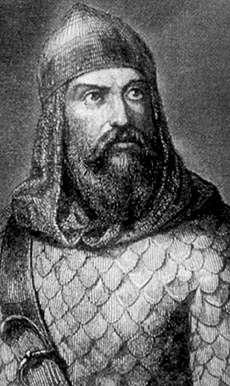
An older man named Godric led a thousand West Saxons from Carhampton and crossed the Exmoor to preemptively invade Countisbury and north Devon before the Celts and Danes could invade the coast of Somerset. The old man would have taken his time and ruined the surprise attack if he did not have his two lieutenants, Ceorle and Odda pushing him. When they arrived outside the city of Countisbury, the Danes, who had just arrived, simply turned around and marched back to Pilton and their ships. The outnumbered Celts began the long trek to Crediton and Exeter where they expected to find the king.
Godric left enough men in Countisbury to make the city a Saxon controlled city while he and Ceorle led most of the army to follow after the Celts. They did not feel the need to catch the Celts as long as the Celts kept moving out of the area. Godric was not in a hurry, even when Ceorle figured out the Celts were going to link up with their king and his much bigger army. “We will be the smaller claw of the crab,” Godric said. “King Ecgbert will be the big claw and we will crush the Celts between us.” He was not going to hurry.
At that same time, King Ecgbert and the main force of Wessex moved two days down the road between Somerton and Exeter. He had about twenty-three hundred foot soldiers, an additional three hundred men on horseback that he called his cavalry, and a dozen wagons full of tents and the supplies they would need for a war. The king of Cornwall did not know they were coming.
When the twelve-hundred men of Cornwall and Devon were gathered, along with nine hundred Danes, they left Exeter with high hopes. One day down the road, and they saw what was coming to face them. King Mordaf stopped his men, and when he estimated the opposition, he started to turn the men around and put his men behind the Exeter city walls. To be fair, the king saw the elves, gnomes, dwarfs, and ogres along with the rest of the army, and he saw the little ones as men, so his count estimate was much higher than King Ecgbert and Eanwulf or Osric of Dorset knew about.
Lodbrok the Dane complained about turning around. “So, they are more than us. It will make it a good fight, but we can take them.” He knew about the fight at Carhampton and did not think much of the Saxons on the battlefield.
Mordaf did not listen. He led everyone back to Exeter and shut the gates. By noon, they brought in the last of the families from outside the gates who came with as much food as they could carry. The West Saxons arrived around four and set their camp on the east side of the Exe River. They did not try to surround the city on that day. The six hundred Celts from the north arrived by six that evening and claimed they were being followed by twice the number of West Saxons, and the Danes abandoned them and sailed off from Pilton.
The king began to panic, but it did not become acute until Lodbrok the Dane said he had no intention of getting trapped in a city where the enemy could just starve them out.
“But you have been paid to fight,” the king objected.
 “Yes, but you won’t fight,” Lodbrok shouted back. “You just want to run and hide.” He took his nine hundred Danes and left by the back gate. They made a wide arc around the west side of the river to avoid contact with the Saxons and headed back to their ships in the Exe delta. At least they got paid first, though Lodbrok decided it was not enough. He figured while the king and his army were off fighting elsewhere, he might sail to the long delta of the Tamar and see what Plymouth and Saltash might have to offer to supplement his earnings. He might even sail up the Tamar a bit. He heard there was a great monastery at Hingston Down, and they were always good for gold and silver relics.
Poor Mordaf. He had eighteen hundred men and the city could only produce another three hundred worth anything. Altogether, he figured the Saxons outnumbered him two to one. Even with the Danes they would have been outnumbered, but they might have had a chance to defend the city walls. Without the Danes, however, King Mordaf of Cornwall knew he would eventually have to surrender. He decided his only option was to abandon the city, head out across the Dartmoor, and hope the Saxons would not try to follow him through that dangerous ground. They left about midnight and the city decided to surrender as soon as the king of Wessex came up to the gate.
Pinewood immediately found Elgar out behind the tent and told him that the Cornish were sneaking away in the night. Elgar paused for a time to stare at the fairy who hovered before him. When he spoke, it was neither what he nor Pinewood expected.
“You have gone gray,” he said. “Gerraint and Festuscato hardly recognized you.”
“It is with us as you know,” Pinewood responded. “We mature in our first hundred years or so, then we age very slowly, hardly noticeable over as much as eight hundred years, until the last hundred years or so. Then we age rapidly, and gray hair is often a sign of that.”
Elgar nodded. “I will miss you when you are gone, and Deerrunner.”
Pinewood smiled and looked down. “I only hope I have served well in my time here.”
Elgar nodded. “But now you need to get big and tell Father and the king about the Celts escaping the city.”
Pinewood got big, dressed in his hunters green, and Elgar led him to the main tents. When Pinewood relayed his information to the gathered lords of Wessex, everyone was happy except the king.
“If we let Mordaf escape with his army intact, he may just rethink and try again. We have Irish and Welsh pirates and pirates from Brittany. With civil wars in Francia, our trade is severely hampered. And now, we have Danes knocking on the door of our land. All these live across the sea and so far away, there is little we can do about them. Cornwall, old Dumnonia, on the other hand, is right next door. They are one threat we can deal with, but we must deal with them while we can. I want a solid border agreed to by both sides. Then, maybe we can focus on building a fleet of ships to protect the coasts.”
“That is what the people of Kent want,” Athelwulf said. “They are building ships.”
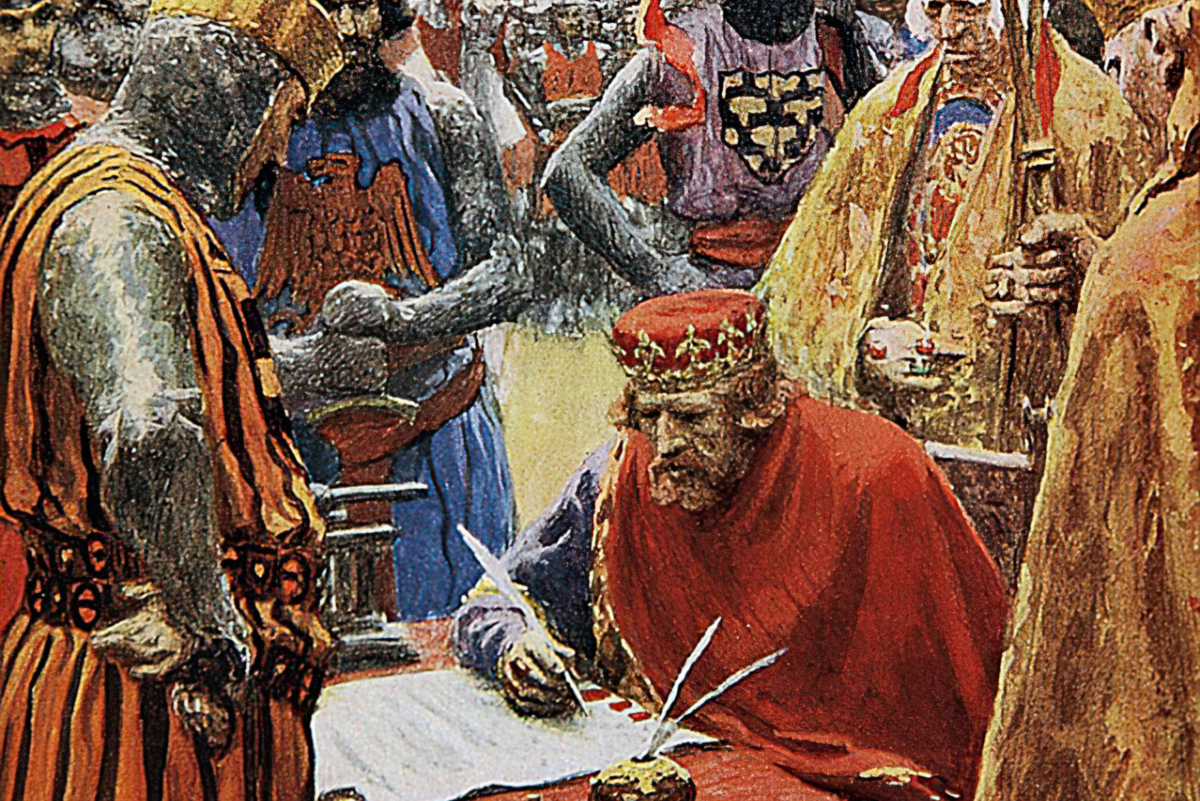 King Ecgbert nodded to his son and turned to Godric. “I want you and your men to hold Exeter in check. The army with me will chase Mordaf to the Tamar River, or all the way to land’s end if necessary.”
“But Lord,” Godric spoke up. “Mordaf is no fool. His men know Dartmoor and know the ways through. It is dangerous ground, full of bogs and marshes and difficult to traverse. An army could get lost in there, or anyway, take a long time to get through it when you don’t know what paths are safe to take.”
King Ecgbert paused to think before he turned to Elgar’s father. “Eanric. Your land is full of swamps and the like. You have men familiar with Exmoor. Might they be able to guide us through the swamps of Dartmoor?”
Eanric thought a moment before he looked at Eanwulf. Eanwulf did not think at all as he turned the stare on Elgar. Elgar did not feel surprised and spoke right up. “Your majesty. I believe my friend may be able to help with that problem.” He pointed to Pinewood who was also not surprised.
“Majesty,” Pinewood said with a slight bow. “Exmoor is like Dartmoor in some ways, but not in some ways. Even so, you still need to know which way to go to get through the unfamiliar ground. Fortunately, I have cousins who live in Dartmoor. They say the hunting is good because not many people live there. I am sure they would be glad to guide your troops safely through the moors rather than have you stumbling around disturbing their herds and hunting grounds.”
“And will you and your family fight for your king?” King Ecgbert asked.
Pinewood glanced at Elgar before he answered. “It is not our place to choose sides between two Christian kings. It is sad that Christian men cannot sit and make peace, but I will say this. If the Danes should show up, we can call up more fighters than you might think. We will fight the heathen men. We want no Danes ruining our land.”
The king thought for a minute before he said, “Fair enough. We leave first thing in the morning. Get some rest. Godric stay, and your lieutenant…”
“Ceorle,” Eanwulf named his friend.
“Sounds Frankish,” Athelwulf said to Eanwulf.
“Maybe Frisian,” Osric of Dorset suggested.
Eanwulf could only shrug.
************************
MONDAY
The army moves through Dartmoor. They surprise the Celts, and the Danes who happen to be there looking for loot. They fight. Until then, Happy Reading.

*
 Storyteller Tales & Thoughts